
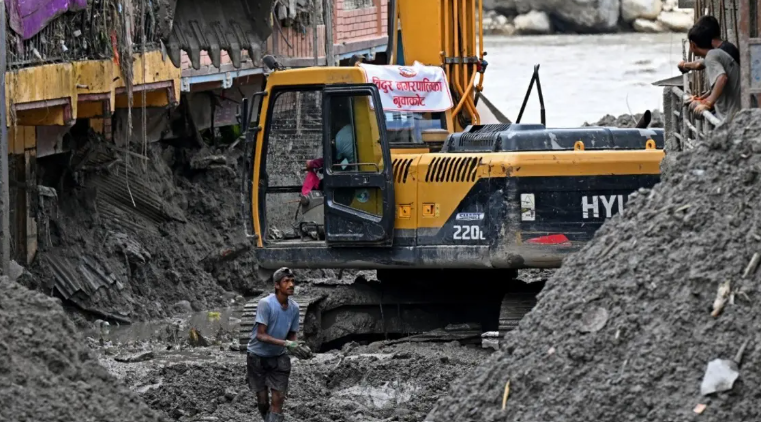
Nepal is continuing large-scale search and rescue operations following one of the country’s most devastating recent flood disasters. The flash floods, which struck on August 26, 2026, followed an ice-and-rock avalanche near the Nepal–Tibet border and caused widespread destruction across several districts.
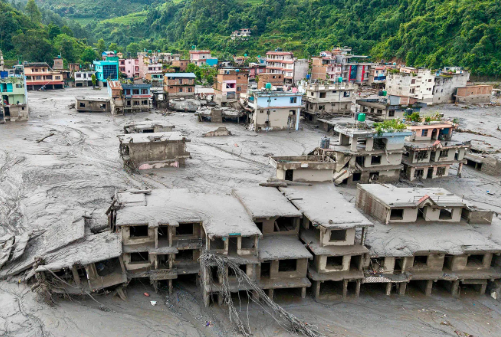
Nepal has renewed its call for greater international support after catastrophic floods and landslides struck the Himalayan region in August 2026. The disaster followed the collapse of a mountain glacier on August 26, sending huge volumes of water and mud into parts of Nepal and China’s Tibet region. More than 1,300 people have been confirmed dead, while thousands remain missing.

The BRICS grouping has renewed its focus on addressing climate change while strengthening energy security and protecting natural ecosystems. At the latest BRICS Summit, leaders highlighted the importance of coordinated action to build resilience against climate impacts and support a transition towards cleaner and more secure energy systems.
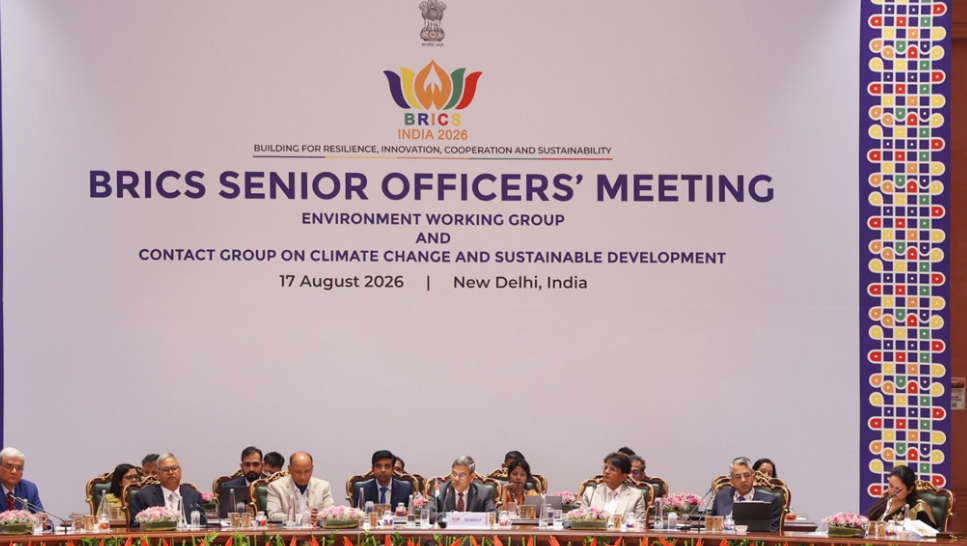
Senior officials from BRICS member countries convened in New Delhi on August 17, 2026, to advance cooperation on environmental protection, climate change and sustainable development under India’s BRICS Chairship. The meeting of the BRICS Environment Working Group and the Contact Group on Climate Change and Sustainable Development was chaired by Tanmay Kumar, Secretary, Ministry of Environment, Forest and Climate Change.
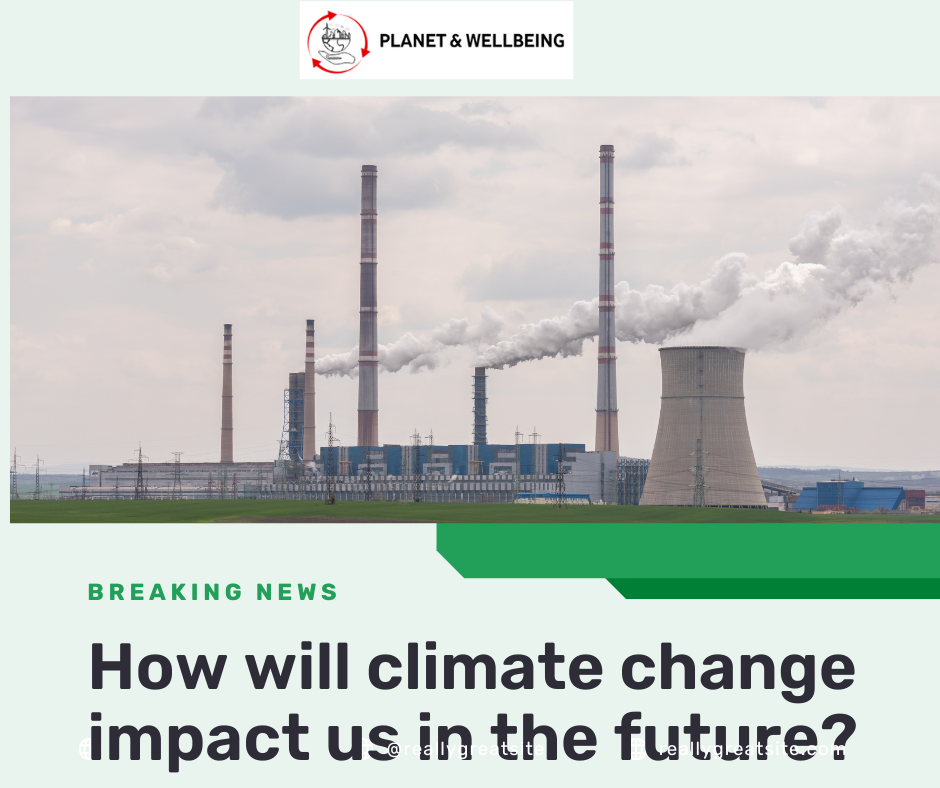
Climate change is no longer just an environmental issue it has become one of the biggest public health challenges worldwide. Rising temperatures, extreme weather events, poor air quality, and changing rainfall patterns are increasing the risk of diseases and putting millions of lives at risk.
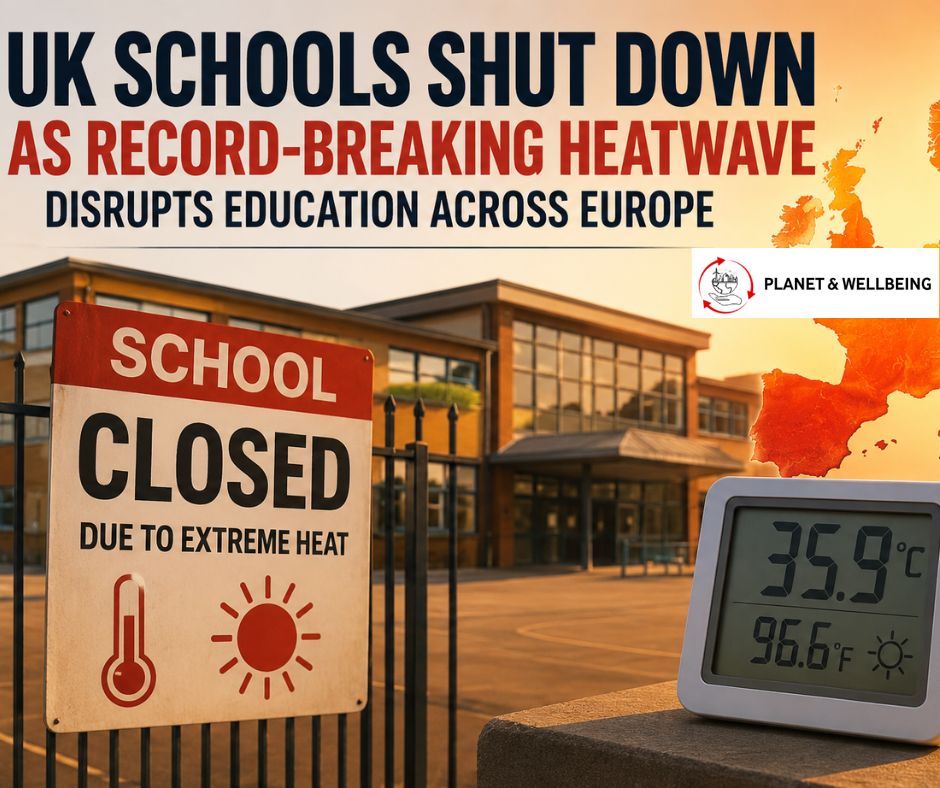
Thousands of students across the United Kingdom experienced unexpected school closures after an intense heatwave pushed temperatures to record levels across Europe. The extreme weather highlighted growing concerns about whether schools and other public buildings are prepared for increasingly frequent periods of extreme heat.
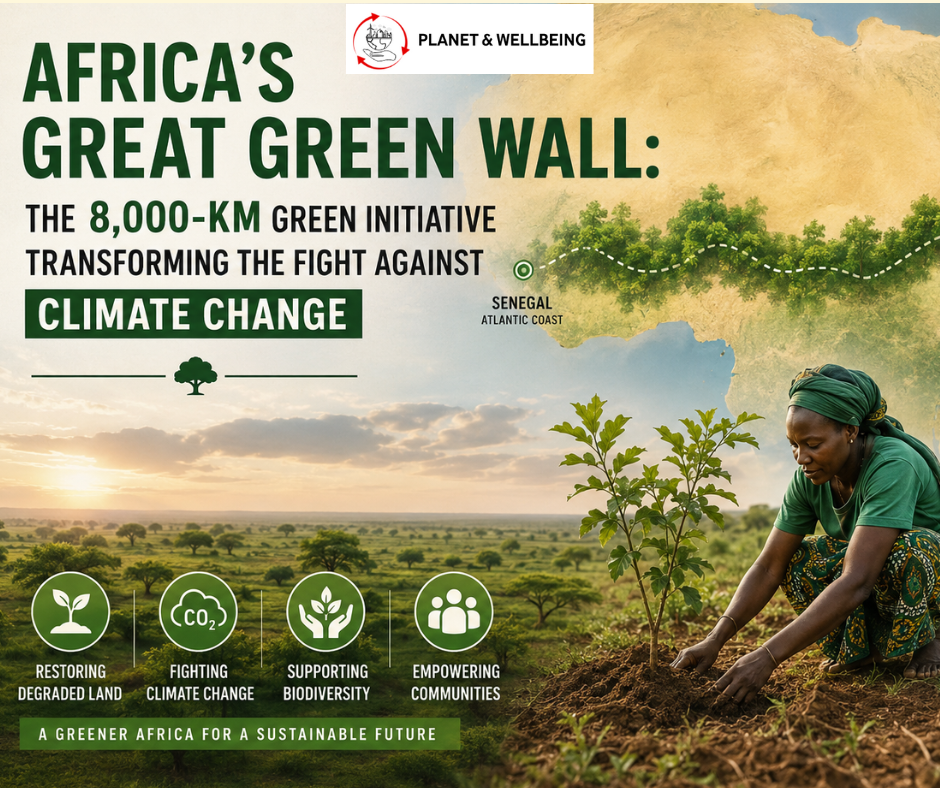
Climate change, land degradation, and desertification are threatening livelihoods across Africa’s Sahel region, where millions depend on farming and livestock. To respond to this crisis, African nations launched the Great Green Wall, one of the world’s largest environmental restoration projects. Stretching nearly 8,000 kilometres from Senegal to Djibouti, the initiative aims to restore degraded land, improve food security, protect biodiversity, and strengthen climate resilience.
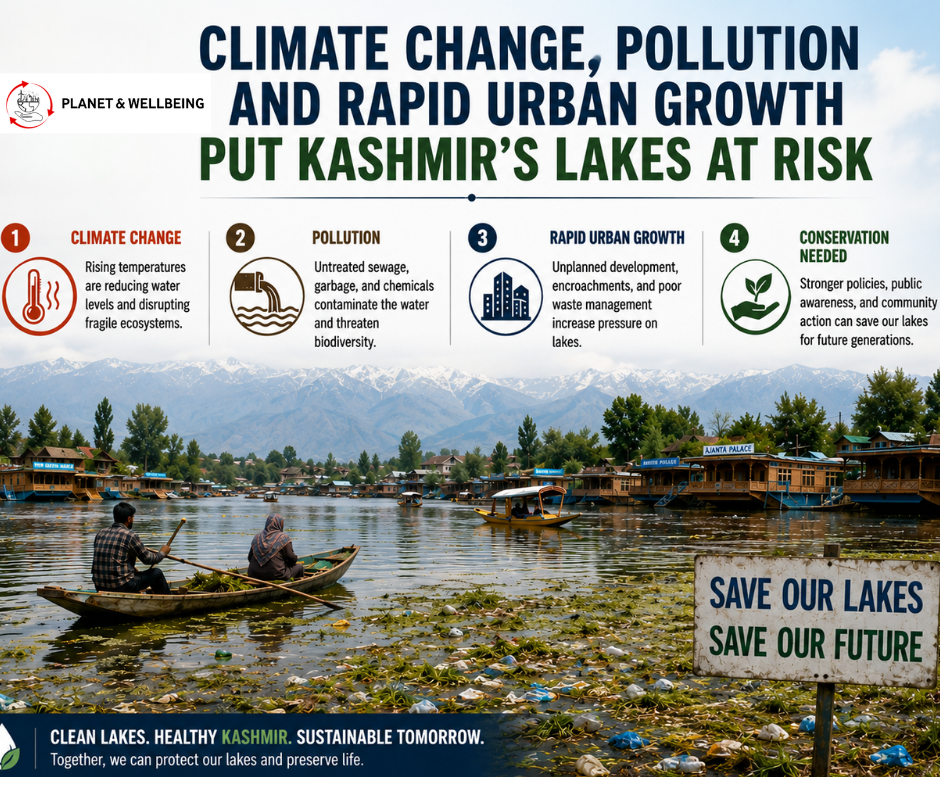
Kashmir’s beautiful lakes, known for their scenic beauty and cultural importance, are facing increasing environmental pressure. Rising temperatures caused by climate change, pollution, and unplanned urban development are contributing to the gradual decline of these valuable freshwater ecosystems.
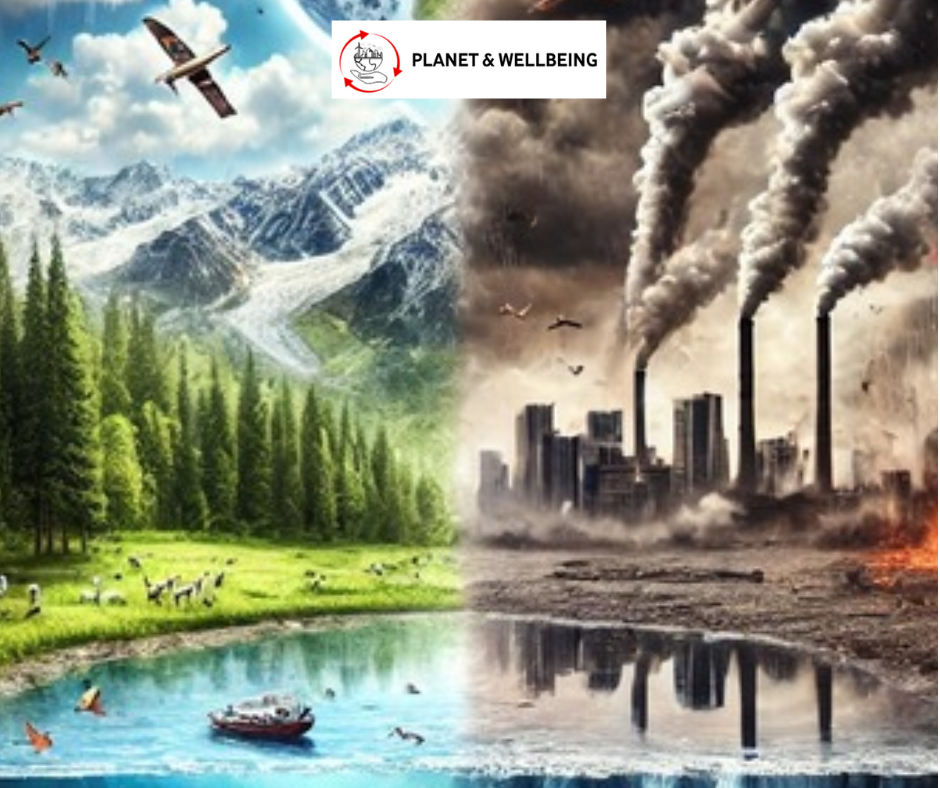
Climate change is no longer only an environmental issue; it has become a serious economic problem for millions of people in India. Rising temperatures, irregular rainfall, floods, droughts, and frequent heatwaves are affecting agriculture, water supply, energy use, and public health. These changes are making essential goods and services more expensive, which increases the pressure on household budgets.
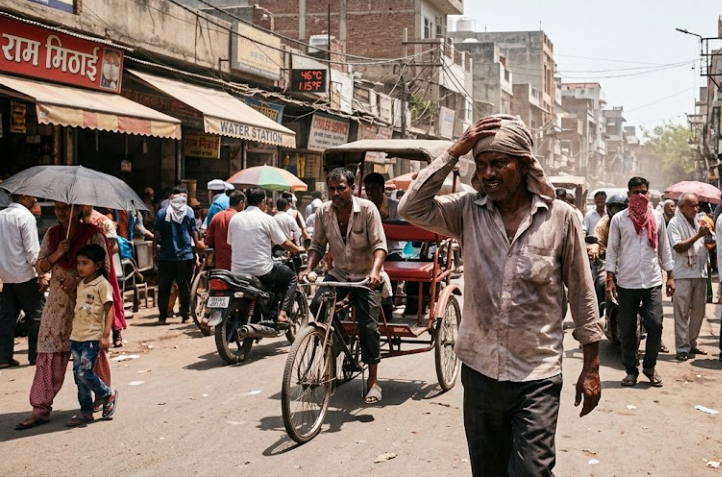
Residents of Delhi are facing soaring temperatures as the India Meteorological Department (IMD) has issued a yellow alert for heatwave conditions across the national capital. The maximum temperature is expected to touch nearly 45°C in the coming days, making outdoor conditions increasingly harsh and raising concerns over public health and safety.
A CSR Initiative of

Designed and Executed by

Implemented by


 Technology is a useful servant, but a dangerous master, it was rightly said. Electronic devices have grown into an inevitable part of our daily lives.