

In a significant push for global climate action, India has submitted a proposal to the United Nations Framework Convention on Climate Change (UNFCCC) demanding an annual sum of $1 trillion in climate finance starting from next year. This proposal emphasizes the urgency of addressing climate change and ensuring a just transition towards a sustainable future, particularly for developing countries like India.

The Shimla Municipal Corporation is gearing up to tackle the growing problem of electronic waste (e-waste) by launching a dedicated collection drive. This initiative aims to address the environmental and aesthetic concerns associated with improper e-waste disposal.
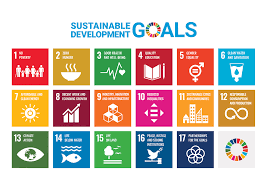
A recent report reveals a concerning reality for India's progress towards the United Nations' Sustainable Development Goals (SDGs). According to the 'State of India's Environment 2024' report, India ranks a concerning 112th among 166 countries in achieving these critical goals.

The Adani Vidya Mandir School, run by the Adani Foundation, celebrated its 12th annual day with a focus on environmental sustainability. The event was dedicated to the United Nations Sustainable Development Goals (SDGs), highlighting the school's commitment to environmental responsibility.

Tata Motors, India's leading commercial vehicle manufacturer, recently delivered a new fleet of eco-friendly vehicles to Tata Steel. This milestone marks a significant step towards sustainable transportation within the Tata Group.

On February 8th, 2024, NASA's latest Earth-observing satellite, PACE (Plankton, Aerosol, Cloud, ocean Ecosystem), blasted off aboard a SpaceX Falcon 9 rocket. This mission embarks on a crucial journey to study the complex relationship between Earth's oceans and atmosphere.
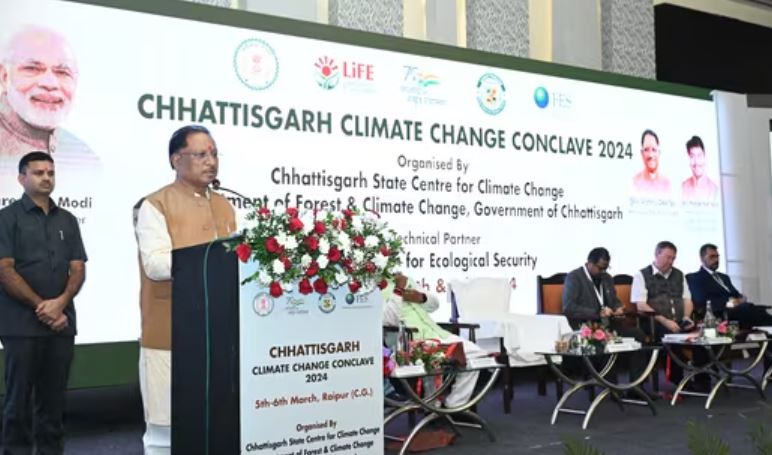
The Chief Minister of Chhattisgarh, Bhupesh Baghel, inaugurated a two-day conclave on climate change, urging for stricter measures to combat the escalating crisis. Held in Raipur, the event brought together experts, policymakers, and stakeholders to discuss and strategize solutions to this pressing issue.

The city of Bhopal recently witnessed a heartening event - the EPCO Eco-Meet, which brought together 140 enthusiastic children. This initiative aimed to empower these young minds as environmental stewards and foster a sense of responsibility towards protecting our planet.

A step towards environmental sustainability has been taken by the Indian Institute of Technology (IIT) Allahabad (Prayagraj). Researchers there have developed and received a patent for innovative tea bags made from banana leaves. This eco-friendly alternative to traditional tea bags addresses growing concerns about environmental pollution caused by non-biodegradable materials.

A recent conference brought together two UNESCO Chairs and educational institutions from Central Asia to explore innovative approaches to teaching about sustainable development. This collaborative effort aims to equip future generations with the knowledge and skills needed to address pressing global challenges.
A CSR Initiative of

Designed and Executed by

Implemented by


 Technology is a useful servant, but a dangerous master, it was rightly said. Electronic devices have grown into an inevitable part of our daily lives.