
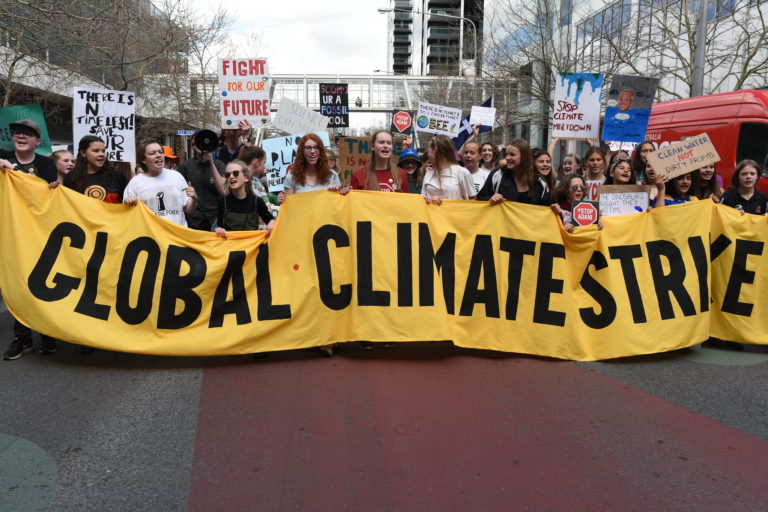
According to a report by the United Nations Environment Programme (UNEP) and the Sabin Center for Climate Change Law at Columbia University, the number of climate change lawsuits has more than doubled worldwide since 2017, signifying the growing importance of climate litigation in driving climate action and justice. The report, titled "Global Climate Litigation Report: 2023 Status Review," presents a comprehensive overview of climate-related legal cases, highlighting significant breakthroughs in climate policy and justice.
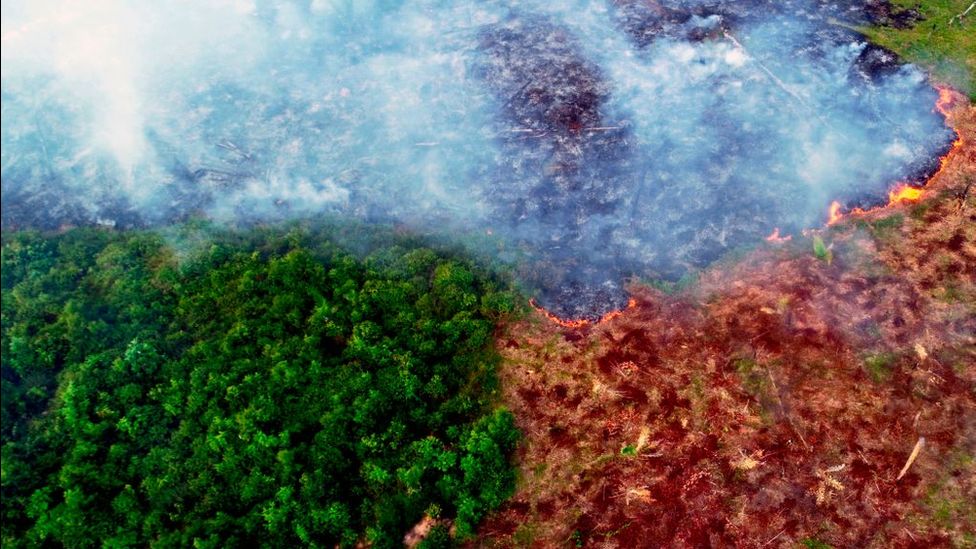
Chief Raoni Metuktire, a prominent Indigenous leader from the Amazon, has called upon Brazil's President Luiz Inacio Lula da Silva to defend the rights of Indigenous people and protect the Amazon rainforest. In a letter, Chief Raoni demanded the removal of "invaders" from Indigenous territories and criticized the exclusion of Indigenous people from discussions on carbon credit negotiations. He urged the government to respond to 11 specific requests by August 9, coinciding with the Amazon summit attended by South American heads of state in Belem. The letter was presented to the minister of Indigenous peoples at an event attended by members of various ethnic groups.

In a thought-provoking article, Rebecca Solnit addresses the defeatist mindset that permeates discussions about the climate crisis. She highlights the disheartening trend where some people confidently proclaim that climate change is inevitable and that efforts to combat it are futile. This defeatism, Solnit argues, leads to a lack of motivation and action, ultimately contributing to the very outcomes they fear. She emphasizes the need to distinguish between valuable warnings, which call for action to prevent negative consequences, and prophesies, which assume a predetermined outcome.

1 Java Street, a new residential building in Brooklyn, New York, is set to become the largest multifamily development in the state—and potentially the country—to utilize a cutting-edge geothermal heating and cooling system. Developed by Lendlease, the 834-rental apartment building aims to achieve net-zero greenhouse gas emissions and reduce carbon output by around 55%. Geothermal technology harnesses the Earth's stable temperature below ground to efficiently cool and heat the building spaces and water without relying on traditional HVAC systems and natural gas.

Social media has been flooded with false claims suggesting that the BBC and other broadcasters have been misreporting temperatures in southern Europe during an ongoing heatwave. GB News presenter Neil Oliver accused the BBC of "driving fear" by using "supposedly terrifying temperatures," claiming they were obtained from ground temperatures rather than air temperatures. However, BBC Weather confirmed that their temperature reporting and forecasting are based on internationally agreed standards, utilizing thermometers placed in Stevenson screens at a height of 1.25m to ensure accurate readings
The Australian Energy Market Operator (Aemo) has reported a significant decline in emissions and wholesale electricity prices in Australia's national electricity market (NEM). According to Aemo, emissions from the electricity grid decreased by over 6% in the June quarter compared to the same period last year, reaching a record low. Additionally, wholesale power prices in the NEM averaged $108 per megawatt hour during the same quarter, marking a nearly 60% drop from the previous year, which saw a short-lived energy crisis that led to a market suspension.
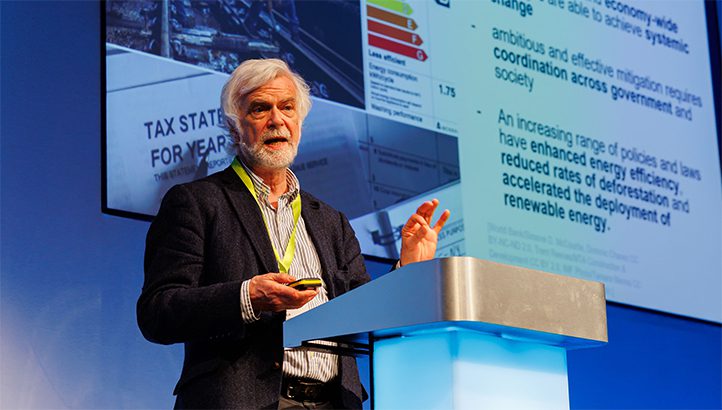
Professor Jim Skea, a British expert in sustainable energy from Imperial College London, has been chosen as the new chair of the Intergovernmental Panel on Climate Change (IPCC). His appointment comes at a critical juncture in human history when urgent action is required to address the escalating climate crisis. Skea, who co-chaired the IPCC's recent report on climate solutions, expressed humility at being elected during a meeting in Nairobi, Kenya, succeeding South Korean economist Hoesung Lee, who served as chair for nearly eight years.

Italy is facing the devastating impact of extreme weather, with wildfires sweeping through the southern region of Sicily and violent storms lashing the northern regions. The wildfires in Sicily have caused the temporary closure of Palermo airport due to scorching temperatures reaching 47°C. Tragically, seven people have lost their lives in the past 24 hours as a result of these natural disasters.
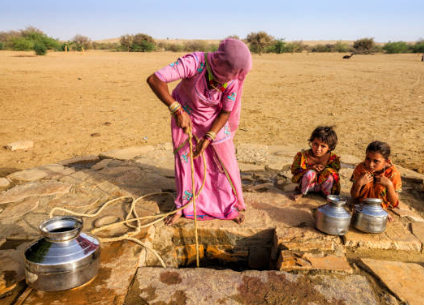
The latest State of the Climate report by the World Meteorological Organization (WMO) highlights the increasing threat of climate change in Asia, with rising temperatures, melting ice and glaciers, and rising sea levels leading to socio-economic disruptions in the region. The mean temperature over Asia in 2022 was the second or third warmest on record, with a significant deviation from the average temperature. This warming trend has serious implications for the region.

The delayed onset of monsoons in India this year, coupled with lower-than-normal rainfall predictions, heightened public anxiety about climate change and extreme weather conditions. The recent monsoon deluge led to severe floods, prompting the India Meteorological Department (IMD) to issue alerts for several states. The climate crisis is not only causing environmental disruptions but also posing a serious human health crisis in India.
A CSR Initiative of

Designed and Executed by

Implemented by


 Technology is a useful servant, but a dangerous master, it was rightly said. Electronic devices have grown into an inevitable part of our daily lives.