
22-year-old Asad Abdullah from Uttar Pradesh built a seven-seater solar-powered vehicle from scrap materials costing ₹10,000, capable of travelling nearly 200 kilometres on sunlight alone — a remarkable example of grassroots sustainable innovation.
As the world searches for cleaner and more affordable transportation solutions, innovation is often expected to emerge from sophisticated laboratories and well-funded research centres. Yet, some of the most remarkable breakthroughs begin in modest workshops, driven by curiosity, determination, and the desire to solve everyday problems.
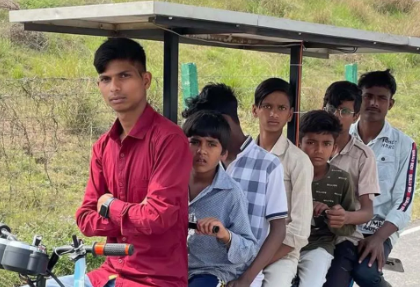
One such inspiring example comes from Uttar Pradesh, where 22-year-old Asad Abdullah has demonstrated that sustainable innovation does not always require expensive technology or massive investments. Using discarded metal parts and scrap materials costing just around ₹10,000, he built a seven-seater solar-powered vehicle capable of travelling nearly 200 kilometres using sunlight. His achievement has captured national attention and highlights the immense potential of grassroots innovation in addressing environmental challenges.
Across many parts of India, rising fuel prices and increasing transportation costs have become everyday concerns. At the same time, the transport sector remains one of the largest contributors to greenhouse gas emissions, making the transition towards clean mobility more important than ever.
Recognising these challenges, Asad set out to create an affordable alternative that could operate without relying on conventional fuels. Rather than purchasing expensive components, he carefully collected discarded metal, reused old mechanical parts, and designed a practical vehicle powered primarily by solar energy. His project demonstrates that valuable resources often lie hidden within materials that society considers waste.
The vehicle accommodates seven passengers, making it suitable for community transport, especially in rural and semi-urban areas where affordable mobility solutions are essential. Reports indicate that, under adequate sunlight, the vehicle can travel approximately 200 kilometres without consuming petrol or diesel.
The significance of this innovation extends well beyond its impressive low cost. It reflects two important sustainability principles working together—renewable energy and the circular economy.
By repurposing scrap materials, the project reduces waste that might otherwise end up in landfills or recycling facilities requiring additional energy for processing. Simultaneously, using solar energy eliminates dependence on fossil fuels during operation, helping reduce carbon emissions and air pollution.
This combination illustrates how innovative thinking can maximise the value of existing resources while minimising environmental impact. Instead of viewing discarded materials as useless, they become building blocks for practical and environmentally friendly solutions.
India has long been recognised for its culture of resourcefulness, often referred to as "frugal innovation." Across towns and villages, individuals have consistently found creative ways to solve local challenges using limited resources.
Asad's achievement continues this tradition while aligning it with modern sustainability goals. His work sends a powerful message to young innovators: groundbreaking ideas do not necessarily require advanced laboratories or significant financial backing. Creativity, technical skills, and persistence can often bridge the gap between imagination and reality.
Stories like these encourage students, entrepreneurs, and aspiring engineers to look at everyday challenges differently. Instead of waiting for ideal circumstances, they demonstrate that meaningful solutions can emerge through experimentation and determination.
While prototypes like this require further testing, safety validation, and regulatory approvals before widespread adoption, they provide valuable proof of concept. They stimulate discussions about the future of sustainable transportation and encourage researchers, policymakers, and industry leaders to explore affordable clean mobility options suitable for diverse communities.
Supporting grassroots innovators through technical mentorship, funding opportunities, and incubation programmes could accelerate the development of similar solutions across the country. Such support not only nurtures individual talent but also strengthens India's capacity to develop home-grown climate solutions.
The story of Asad Abdullah is ultimately about more than building a vehicle. It is about recognising opportunities where others see limitations. It demonstrates that environmental sustainability is not solely dependent on large corporations or advanced technologies—it can begin with a single idea, a small workshop, and the willingness to challenge conventional thinking.
As communities around the world strive to reduce emissions and embrace renewable energy, innovations like these remind us that every creative solution contributes to a larger movement towards sustainability.
Sometimes, the journey towards a greener future does not begin with brand-new resources—it begins by giving old materials a new purpose and allowing the power of the sun to drive the way forward.
उत्तर प्रदेश के 22 वर्षीय असद अब्दुल्लाह ने मात्र ₹10,000 की स्क्रैप सामग्री से एक सात-सीटर सौर-चालित वाहन बनाया जो केवल सूर्य के प्रकाश से लगभग 200 किलोमीटर चल सकता है — जमीनी स्तर की टिकाऊ नवाचार का एक उल्लेखनीय उदाहरण।
जब पूरी दुनिया स्वच्छ और किफायती परिवहन समाधानों की तलाश कर रही है, तो नवाचार की उम्मीद अक्सर परिष्कृत प्रयोगशालाओं और अच्छी तरह से वित्त पोषित अनुसंधान केंद्रों से की जाती है। फिर भी, सबसे उल्लेखनीय सफलताएं अक्सर साधारण कार्यशालाओं में जन्म लेती हैं, जिज्ञासा, दृढ़ संकल्प और रोज़मर्रा की समस्याओं को हल करने की इच्छा से प्रेरित होकर।
उत्तर प्रदेश से एक ऐसा ही प्रेरणादायक उदाहरण आता है, जहाँ 22 वर्षीय असद अब्दुल्लाह ने यह साबित कर दिया है कि टिकाऊ नवाचार के लिए हमेशा महंगी तकनीक या भारी निवेश की ज़रूरत नहीं होती। लगभग ₹10,000 में मिले बेकार धातु के हिस्सों और स्क्रैप सामग्री से उन्होंने एक सात-सीटर सौर-चालित वाहन बनाया जो सूर्य के प्रकाश का उपयोग करके लगभग 200 किलोमीटर चलने में सक्षम है।
इस नवाचार का महत्व इसकी प्रभावशाली कम लागत से कहीं अधिक है। यह दो महत्वपूर्ण स्थिरता सिद्धांतों को एक साथ दर्शाता है — नवीकरणीय ऊर्जा और चक्रीय अर्थव्यवस्था।
स्क्रैप सामग्री का पुनः उपयोग करके, यह परियोजना उस कचरे को कम करती है जो अन्यथा लैंडफिल में समाप्त हो सकता था। साथ ही, सौर ऊर्जा का उपयोग करके जीवाश्म ईंधन पर निर्भरता समाप्त होती है, जिससे कार्बन उत्सर्जन और वायु प्रदूषण कम होता है।
असद की उपलब्धि जमीनी नवाचार की परंपरा को आधुनिक स्थिरता लक्ष्यों के साथ जोड़ती है। उनका काम युवा नवप्रवर्तकों को एक शक्तिशाली संदेश देता है: क्रांतिकारी विचारों के लिए हमेशा उन्नत प्रयोगशालाओं या महत्वपूर्ण वित्तीय सहायता की आवश्यकता नहीं होती।
जबकि इस तरह के प्रोटोटाइप को व्यापक रूप से अपनाने से पहले और परीक्षण, सुरक्षा सत्यापन और नियामक अनुमोदन की आवश्यकता होती है, वे मूल्यवान प्रमाण प्रदान करते हैं। असद अब्दुल्लाह की कहानी हमें याद दिलाती है कि हरित भविष्य की यात्रा हमेशा नई सामग्री से शुरू नहीं होती — यह पुरानी सामग्री को नया उद्देश्य देने और सूर्य की शक्ति को आगे बढ़ाने से शुरू होती है।
उत्तर प्रदेशमधील 22 वर्षीय असद अब्दुल्लाहने केवळ ₹10,000 च्या भंगार साहित्यातून सात आसनांची सौरऊर्जाचलित गाडी बनवली जी केवळ सूर्यप्रकाशाने जवळपास 200 किलोमीटर धावू शकते — जमीनी पातळीवरील शाश्वत नवाचाराचे एक उल्लेखनीय उदाहरण.
जग स्वच्छ आणि परवडणाऱ्या वाहतूक उपायांच्या शोधात असताना, नवाचार अनेकदा परिष्कृत प्रयोगशाळा आणि चांगल्या प्रकारे निधी मिळालेल्या संशोधन केंद्रांकडून अपेक्षित असतो. तरीही काही सर्वात उल्लेखनीय यश साध्या कार्यशाळांमध्ये सुरू होते, जिज्ञासा, दृढनिश्चय आणि रोजच्या समस्यांचे निराकरण करण्याच्या इच्छेने प्रेरित होऊन.
उत्तर प्रदेशातून एक असेच प्रेरणादायी उदाहरण आले आहे, जेथे 22 वर्षीय असद अब्दुल्लाहने हे सिद्ध केले आहे की शाश्वत नवाचारासाठी नेहमी महागड्या तंत्रज्ञानाची किंवा मोठ्या गुंतवणुकीची आवश्यकता नसते. सुमारे ₹10,000 किमतीच्या टाकाऊ धातूच्या भागांपासून त्यांनी सात आसनांची सौरऊर्जाचलित गाडी बनवली.
या नवाचाराचे महत्त्व त्याच्या प्रभावशाली कमी खर्चाच्या पलीकडे आहे. हे दोन महत्त्वाच्या शाश्वतता तत्त्वांना एकत्र प्रतिबिंबित करते — नवीकरणीय ऊर्जा आणि वर्तुळाकार अर्थव्यवस्था.
भंगार साहित्याचा पुनर्वापर करून, हा प्रकल्प लँडफिलमध्ये जाणारा कचरा कमी करतो. त्याच वेळी, सौरऊर्जेचा वापर करून जीवाश्म इंधनावरील अवलंबित्व संपते, ज्यामुळे कार्बन उत्सर्जन आणि वायू प्रदूषण कमी होते.
असदची कामगिरी आधुनिक शाश्वतता उद्दिष्टांशी जुळवून घेत जमिनीच्या पातळीवरील नवाचाराची परंपरा पुढे नेते. त्यांचे कार्य तरुण नवप्रवर्तकांना एक शक्तिशाली संदेश देते: महत्त्वाच्या कल्पनांसाठी नेहमी प्रगत प्रयोगशाळा किंवा मोठ्या निधीची आवश्यकता नसते.
असद अब्दुल्लाहची कहानी आम्हाला आठवण करून देते की हिरव्या भविष्याचा प्रवास नेहमी नवीन संसाधनांपासून सुरू होत नाही — तो जुन्या साहित्याला नवीन उद्देश देण्यापासून आणि सूर्याच्या शक्तीला पुढे नेण्यापासून सुरू होतो.
ઉત્તર પ્રદેશના 22 વર્ષીય અસદ અબ્દુલ્લાહે માત્ર ₹10,000ની ભંગાર સામગ્રીથી સાત સીટવાળું સૌર-ચાલિત વાહન બનાવ્યું જે ફક્ત સૂર્યપ્રકાશથી લગભગ 200 કિલોમીટર ચાલી શકે છે — ઘાસ-મૂળ ટકાઉ નવોન્મેષનું એક નોંધપાત્ર ઉદાહરણ.
જ્યારે વિશ્વ સ્વચ્છ અને પોષણક્ષમ પરિવહન ઉકેલો શોધી રહ્યું છે, ત્યારે નવોન્મેષ ઘણીવાર અત્યાધુનિક પ્રયોગશાળાઓ અને સારી રીતે ભંડોળ ધરાવતા સંશોધન કેન્દ્રોમાંથી ઉભરવાની અપેક્ષા રાખવામાં આવે છે. છતાં, કેટલીક સૌથી નોંધપાત્ર સફળતાઓ સાધારણ વર્કશોપ્સમાં શરૂ થાય છે.
ઉત્તર પ્રદેશના 22 વર્ષીય અસદ અબ્દુલ્લાહે માત્ર ₹10,000ની ભંગાર સામગ્રીથી સાત સીટવાળું સૌર-ચાલિત વાહન બનાવ્યું. વાહન પૂરતા સૂર્યપ્રકાશ સાથે પેટ્રોલ કે ડીઝલ વિના લગભગ 200 કિલોમીટર ચાલી શકે છે.
આ નવોન્મેષનું મહત્વ તેની પ્રભાવશાળી ઓછી કિંમત ઉપરાંત ઘણું વધારે છે. ભંગાર સામગ્રીનો ફરીથી ઉપયોગ કરીને, પ્રોજેક્ટ એ કચરો ઘટાડે છે જે અન્યથા લેન્ડફિલ્સમાં સમાપ્ત થઈ શકે. સૌર ઊર્જાનો ઉપયોગ કરીને, ઓપરેશન દરમ્યાન અશ્મિ ઈંધણ પ્રત્યેની નિર્ભરતા સમાપ્ત થાય છે.
અસદની સિદ્ધિ ઘાસ-મૂળ નવોન્મેષની પ્રણાલીને આધુનિક ટકાઉ ધ્યેયો સાથે સંરેખિત કરતી રહે છે. તેમનું કાર્ય યુવા નવોન્મેષકોને એક શક્તિશાળી સંદેશ આપે છે: ક્રાંતિકારી વિચારો માટે હંમેશા અત્યાધુનિક પ્રયોગશાળાઓ કે નોંધપાત્ર નાણાકીય સહાયની જરૂર નથી.
અસદ અબ્દુલ્લાહની વાર્તા આખરે ફક્ત વાહન બનાવવા વિશે નથી. તે ત્યાં તકો ઓળખવા વિશે છે જ્યાં અન્ય લોકો મર્યાદાઓ જુએ છે. હરિત ભવિષ્ય તરફની સફર હંમેશા નવા સંસાધનોથી શરૂ થતી નથી — તે જૂની સામગ્રીને નવો હેતુ આપવાથી શરૂ થાય છે.
ఉత్తర ప్రదేశ్ కు చెందిన 22 సంవత్సరాల అసద్ అబ్దుల్లా కేవలం ₹10,000 స్క్రాప్ పదార్థాలతో ఏడు సీట్ల సౌర-శక్తి వాహనాన్ని నిర్మించారు, ఇది సూర్యరశ్మి మాత్రమే ఉపయోగించి దాదాపు 200 కిలోమీటర్లు ప్రయాణించగలదు.
ప్రపంచం స్వచ్ఛమైన మరియు చవకైన రవాణా పరిష్కారాల కోసం వెతుకుతున్నప్పుడు, ఆవిష్కరణ తరచుగా అత్యాధునిక ప్రయోగశాలలు మరియు బాగా ఫండ్ చేయబడిన పరిశోధన కేంద్రాల నుండి వస్తుందని అంచనా వేయబడుతుంది. అయినప్పటికీ, కొన్ని అత్యంత అద్భుతమైన విజయాలు సాధారణ వర్క్షాప్లలో ప్రారంభమవుతాయి.
ఉత్తర ప్రదేశ్ నుండి 22 సంవత్సరాల అసద్ అబ్దుల్లా, కేవలం ₹10,000 ఖర్చుతో స్క్రాప్ పదార్థాలను ఉపయోగించి ఏడు-సీటర్ సౌర-శక్తి వాహనాన్ని నిర్మించారు. తగిన సూర్యరశ్మిలో, వాహనం పెట్రోల్ లేదా డీజిల్ వినియోగించకుండా దాదాపు 200 కిలోమీటర్లు ప్రయాణించగలదు.
ఈ ఆవిష్కరణ యొక్క ప్రాముఖ్యత దాని ప్రభావవంతమైన తక్కువ ఖర్చు కంటే చాలా మించి ఉంది. స్క్రాప్ పదార్థాలను తిరిగి ఉపయోగించడం ద్వారా, ప్రాజెక్ట్ వ్యర్థాలను తగ్గిస్తుంది. అదే సమయంలో, సౌర శక్తిని ఉపయోగించడం వల్ల శిలాజ ఇంధనాలపై ఆధారపడటం తొలగిపోతుంది.
అసద్ యొక్క విజయం ఆధునిక స్థిరత్వ లక్ష్యాలతో అనుసంధానిస్తూ స్థానిక ఆవిష్కరణ సంప్రదాయాన్ని కొనసాగిస్తుంది. అతని పని యువ ఆవిష్కర్తలకు ఒక శక్తివంతమైన సందేశాన్ని పంపిస్తుంది: అత్యుత్తమ ఆలోచనలకు తప్పనిసరిగా అత్యాధునిక ప్రయోగశాలలు లేదా గణనీయమైన ఆర్థిక మద్దతు అవసరం లేదు.
అసద్ అబ్దుల్లా యొక్క కథ చివరికి వాహనం నిర్మించడం కంటే మరింత ఉంది. ఇతరులు పరిమితులు చూసే చోట అవకాశాలను గుర్తించడం గురించి. పచ్చని భవిష్యత్తు వైపు ప్రయాణం ఎల్లప్పుడూ కొత్త వనరులతో ప్రారంభం కాదు — పాత పదార్థాలకు కొత్త ప్రయోజనం ఇవ్వడం ద్వారా మరియు సూర్యుని శక్తిని ముందుకు నడిపించడానికి అనుమతించడం ద్వారా ప్రారంభమవుతుంది.
ಉತ್ತರ ಪ್ರದೇಶದ 22 ವರ್ಷದ ಅಸದ್ ಅಬ್ದುಲ್ಲಾ ಕೇವಲ ₹10,000 ತ್ಯಾಜ್ಯ ಸಾಮಗ್ರಿಯಿಂದ ಏಳು ಆಸನಗಳ ಸೌರ-ಚಾಲಿತ ವಾಹನ ನಿರ್ಮಿಸಿದ್ದಾರೆ, ಇದು ಕೇವಲ ಸೂರ್ಯಬೆಳಕನ್ನು ಬಳಸಿ ಸುಮಾರು 200 ಕಿಲೋಮೀಟರ್ ಚಲಿಸಬಲ್ಲದು.
ಜಗತ್ತು ಸ್ವಚ್ಛ ಮತ್ತು ಕಡಿಮೆ ವೆಚ್ಚದ ಸಾರಿಗೆ ಪರಿಹಾರಗಳನ್ನು ಹುಡುಕುತ್ತಿರುವಾಗ, ಆವಿಷ್ಕಾರವು ಅತ್ಯಾಧುನಿಕ ಪ್ರಯೋಗಾಲಯಗಳು ಮತ್ತು ಸಂಶೋಧನಾ ಕೇಂದ್ರಗಳಿಂದ ಬರುತ್ತದೆ ಎಂದು ನಿರೀಕ್ಷಿಸಲಾಗುತ್ತದೆ. ಆದಾಗ್ಯೂ, ಕೆಲವು ಅತ್ಯಂತ ಗಮನಾರ್ಹ ಸಾಧನೆಗಳು ಸಾಧಾರಣ ಕಾರ್ಯಾಗಾರಗಳಲ್ಲಿ ಪ್ರಾರಂಭವಾಗುತ್ತವೆ.
ಉತ್ತರ ಪ್ರದೇಶದ 22 ವರ್ಷದ ಅಸದ್ ಅಬ್ದುಲ್ಲಾ ಕೇವಲ ₹10,000 ಮೌಲ್ಯದ ತ್ಯಾಜ್ಯ ಲೋಹದ ಭಾಗಗಳಿಂದ ಏಳು ಆಸನಗಳ ಸೌರ-ಚಾಲಿತ ವಾಹನ ನಿರ್ಮಿಸಿದ್ದಾರೆ. ಸಮರ್ಪಕ ಸೂರ್ಯಬೆಳಕು ಇದ್ದಾಗ, ವಾಹನ ಪೆಟ್ರೋಲ್ ಅಥವಾ ಡೀಸೆಲ್ ಇಲ್ಲದೆ ಸುಮಾರು 200 ಕಿಲೋಮೀಟರ್ ಚಲಿಸಬಲ್ಲದು.
ಈ ಆವಿಷ್ಕಾರದ ಮಹತ್ವ ಅದರ ಕಡಿಮೆ ವೆಚ್ಚದ ಆಚೆಗೂ ವಿಸ್ತರಿಸುತ್ತದೆ. ತ್ಯಾಜ್ಯ ಸಾಮಗ್ರಿಗಳನ್ನು ಮರು ಬಳಸುವ ಮೂಲಕ, ಯೋಜನೆಯು ತ್ಯಾಜ್ಯವನ್ನು ಕಡಿಮೆ ಮಾಡುತ್ತದೆ. ಅದೇ ಸಮಯದಲ್ಲಿ, ಸೌರ ಶಕ್ತಿ ಬಳಕೆ ಪಳೆಯುಳಿಕೆ ಇಂಧನಗಳ ಅವಲಂಬನೆಯನ್ನು ತೊಡೆದುಹಾಕುತ್ತದೆ.
ಅಸದ್ ಅವರ ಸಾಧನೆ ಆಧುನಿಕ ಸಮರ್ಥನೀಯ ಗುರಿಗಳೊಂದಿಗೆ ಹೊಂದಿಸುತ್ತಾ ಜಮೀನಿ ಮಟ್ಟದ ಆವಿಷ್ಕಾರದ ಸಂಪ್ರದಾಯವನ್ನು ಮುಂದುವರಿಸುತ್ತದೆ. ಅವರ ಕೆಲಸ ಯುವ ಆವಿಷ್ಕಾರಕರಿಗೆ ಒಂದು ಪ್ರಬಲ ಸಂದೇಶ ನೀಡುತ್ತದೆ: ಅತ್ಯಾಧುನಿಕ ಪ್ರಯೋಗಾಲಯಗಳು ಅಥವಾ ಗಣನೀಯ ಆರ್ಥಿಕ ಬೆಂಬಲದ ಅಗತ್ಯ ಇಲ್ಲದೆಯೂ ಅತ್ಯುತ್ತಮ ಆಲೋಚನೆಗಳು ಸಾಧ್ಯ.
ಅಸದ್ ಅಬ್ದುಲ್ಲಾ ಅವರ ಕಥೆ ಅಂತಿಮವಾಗಿ ವಾಹನ ನಿರ್ಮಿಸುವುದಕ್ಕಿಂತ ಹೆಚ್ಚಿನದಾಗಿದೆ. ಹಸಿರು ಭವಿಷ್ಯದ ಕಡೆಗಿನ ಪ್ರಯಾಣ ಯಾವಾಗಲೂ ಹೊಸ ಸಂಪನ್ಮೂಲಗಳಿಂದ ಪ್ರಾರಂಭವಾಗುವುದಿಲ್ಲ — ಹಳೆಯ ವಸ್ತುಗಳಿಗೆ ಹೊಸ ಉದ್ದೇಶ ನೀಡುವುದರಿಂದ ಮತ್ತು ಸೂರ್ಯನ ಶಕ್ತಿಯನ್ನು ಮುಂದೆ ನಡೆಸಲು ಅನುಮತಿಸುವುದರಿಂದ ಪ್ರಾರಂಭವಾಗುತ್ತದೆ.

A CSR Initiative of

Designed and Executed by

Implemented by


 Technology is a useful servant, but a dangerous master, it was rightly said. Electronic devices have grown into an inevitable part of our daily lives.


Leave A Comment