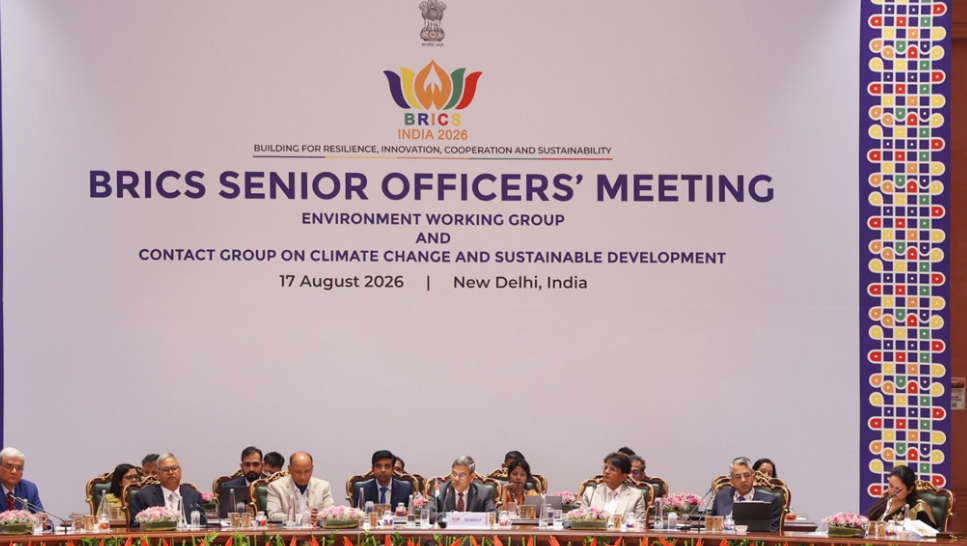
The BRICS grouping has renewed its focus on addressing climate change while strengthening energy security and protecting natural ecosystems. At the latest BRICS Summit, leaders highlighted the importance of coordinated action to build resilience against climate impacts and support a transition towards cleaner and more secure energy systems.
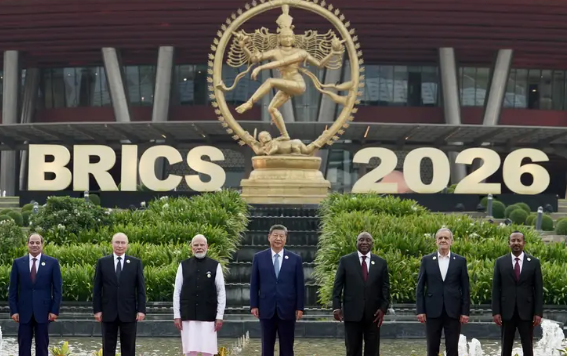
With BRICS countries accounting for a substantial share of the global population, economy and greenhouse gas emissions, their collective efforts can have an important influence on international climate action. The leaders reaffirmed their commitment to the goals of the Paris Agreement and emphasised the need for stronger cooperation on environmental challenges.
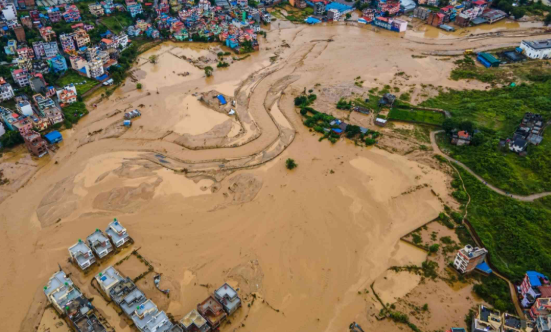
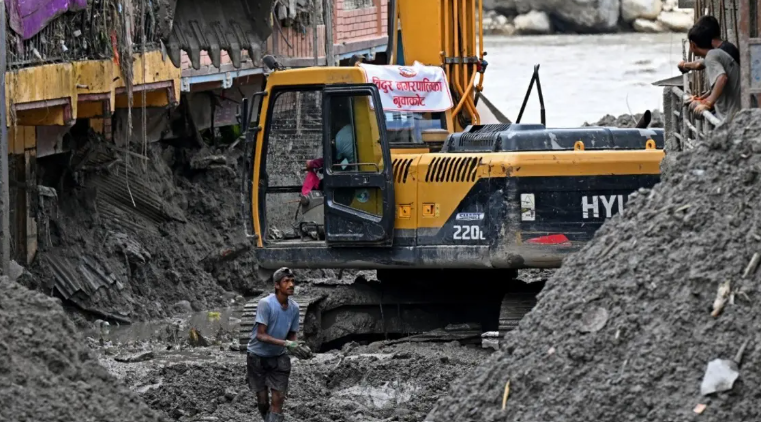
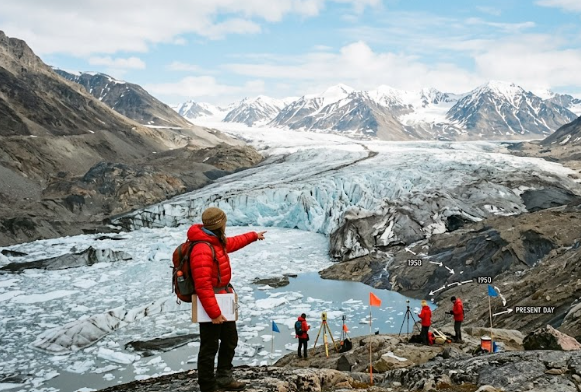
Climate resilience emerged as a key area of attention. Increasing investment in adaptation can help communities and infrastructure prepare for extreme weather, rising climate risks and other environmental disruptions. Such investments can also deliver economic and social benefits by reducing future losses.
Energy cooperation was another important priority. BRICS countries expressed support for developing technologies and systems such as smart electricity grids and energy storage, while also promoting energy efficiency, electrification and wider access to affordable clean energy. Strengthening these systems can improve energy reliability while supporting emissions reduction.
Nature and forest conservation also featured prominently. The discussions recognised the importance of protecting tropical forests, water resources and land. Support for initiatives such as the Tropical Forest Forever Facility could encourage long-term forest protection while creating benefits for Indigenous Peoples and local communities.
The discussions demonstrate how climate resilience, energy security and ecosystem protection are increasingly interconnected. Cooperation across these areas can help countries respond to environmental challenges while pursuing sustainable economic development.
A CSR Initiative of

Designed and Executed by

Implemented by


 Technology is a useful servant, but a dangerous master, it was rightly said. Electronic devices have grown into an inevitable part of our daily lives.