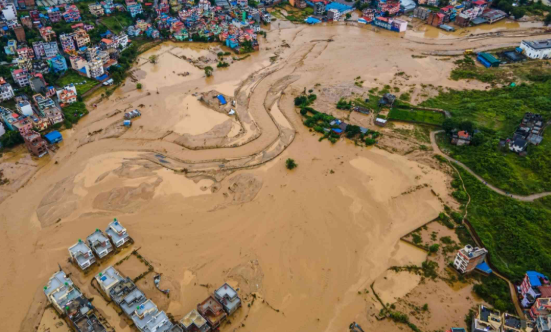
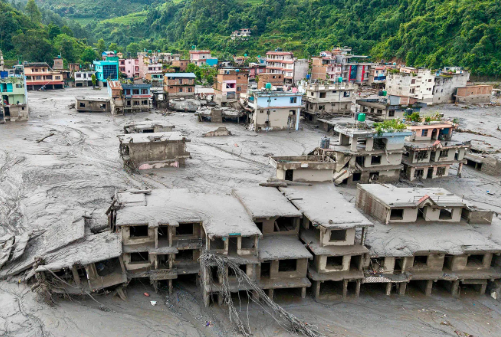
Nepal is continuing large-scale search and rescue operations following one of the country’s most devastating recent flood disasters. The flash floods, which struck on August 26, 2026, followed an ice-and-rock avalanche near the Nepal–Tibet border and caused widespread destruction across several districts.
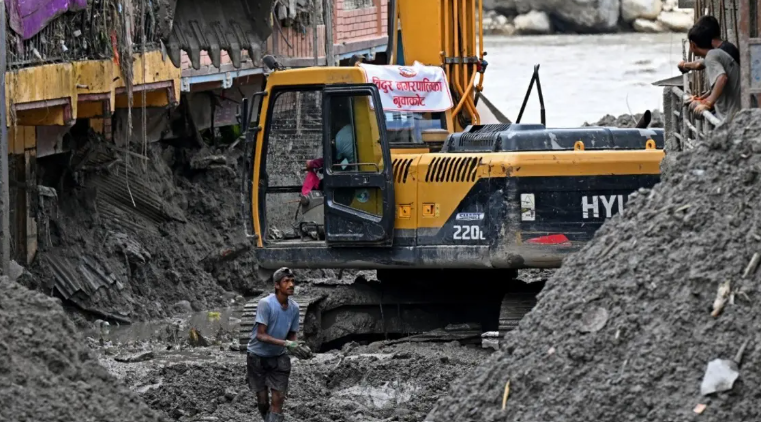
According to figures reported by Nepal’s National Disaster Risk Reduction and Management Authority (NDRRMA), the death toll had reached 1,399 by September 15, while approximately 5,170 people were still reported missing. More than 13,700 people have been rescued since the disaster began. Search teams continue to work across affected areas as authorities attempt to locate missing people and recover victims.
The disaster has affected communities across districts including Chitwan, Nawalparasi East and West, Nuwakot, Rasuwa, Gorkha, Dhading and Tanahun. Chitwan recorded the highest number of recovered bodies, followed by Nawalparasi East, Nawalparasi West and Nuwakot.
The scale of the destruction has also created significant challenges for rescue teams. Roads, bridges, homes and other critical infrastructure have been damaged, while difficult terrain and large quantities of debris have complicated access to affected locations. Search operations have also focused on hydropower facilities and tunnels where people may remain trapped.
The Nepalese government has mobilised security forces and received technical and logistical assistance from several countries. International rescue teams, specialised equipment and drones are being used alongside helicopters and ground teams.
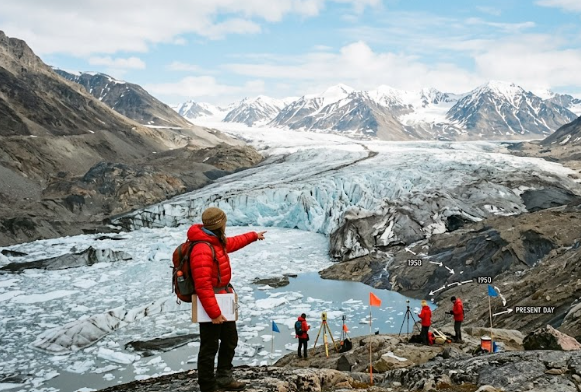
The continuing crisis highlights the vulnerability of Himalayan communities to sudden, high-impact disasters and reinforces the importance of early-warning systems, climate-resilient infrastructure, disaster preparedness and coordinated emergency response.
A CSR Initiative of

Designed and Executed by

Implemented by


 Technology is a useful servant, but a dangerous master, it was rightly said. Electronic devices have grown into an inevitable part of our daily lives.