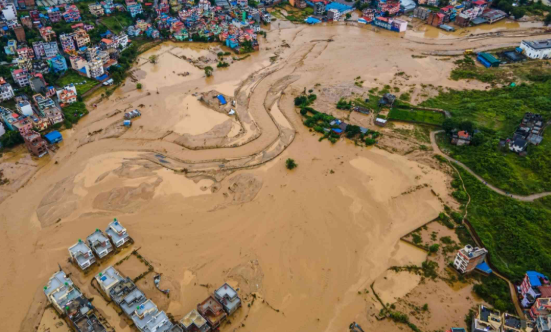
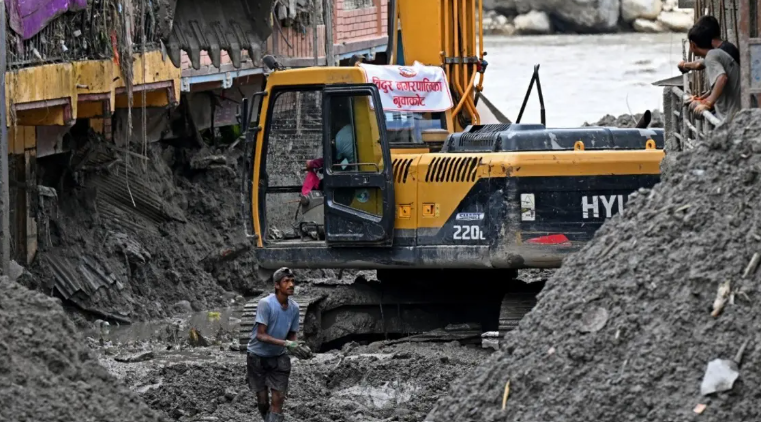
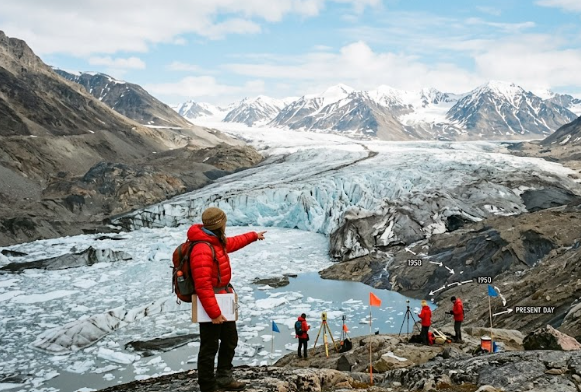
Nepal has renewed its call for greater international support after catastrophic floods and landslides struck the Himalayan region in August 2026. The disaster followed the collapse of a mountain glacier on August 26, sending huge volumes of water and mud into parts of Nepal and China’s Tibet region. More than 1,300 people have been confirmed dead, while thousands remain missing.
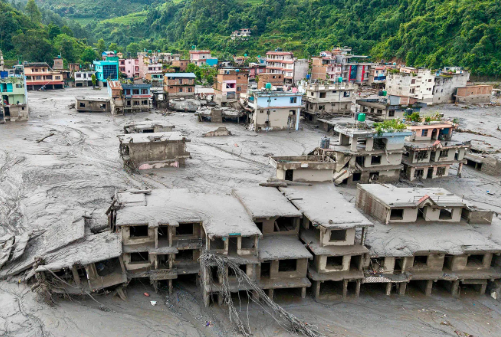
The disaster has intensified Nepal’s demand for climate justice. Government representatives argue that the country contributes only a very small share of global greenhouse gas emissions but faces significant risks because of its geography and rapidly changing Himalayan environment. Nepal has therefore asked the international community to recognise the unequal impacts of climate change and provide financial support for recovery and rebuilding.
Nepal’s government has submitted a request for compensation through international climate mechanisms, while broader estimates suggest that billions of dollars will be required for reconstruction. The country is also seeking support for restoring damaged infrastructure, including roads, bridges and hydropower facilities.
The situation highlights a wider challenge facing climate-vulnerable developing countries. Although climate-related loss and damage mechanisms have been established internationally, funding remains limited. The UN’s Loss and Damage Fund, for example, faces a significant funding shortfall as countries begin seeking support.
Nepal’s appeal has consequently brought renewed attention to the principle that communities contributing relatively little to global emissions can nevertheless face severe climate impacts. The disaster underscores the growing need for climate-resilient infrastructure, adaptation investment and stronger international cooperation to protect vulnerable populations.
A CSR Initiative of

Designed and Executed by

Implemented by


 Technology is a useful servant, but a dangerous master, it was rightly said. Electronic devices have grown into an inevitable part of our daily lives.