

Russia’s ongoing invasion of Ukraine is not looking to halt any time soon and the impacts of the war could be seen on the global economy. The constant rise in the global crude oil prices due to the disrupted supply chain has posed a serious threat to the food prices in India.

A campaign ‘Change the Code Not The Climate’, launched by several NGOs and coordinated by the climate activists organization Environmental Working Group highlighted that Bitcoin could reduce its energy consumption by 99% through a simple change in the coding pattern.

Kolkata has ranked 2nd in the list of most polluted metro cities in India, it is the 60th most polluted in the world, in IQ Air’s World AIr Quality Report. The major pollutant is PM 2.5 which is also considered to have the worst effect on lungs since it cannot be filtered due to its small size, the concentration of PM 2.5 has been reported to be 12 times higher than what is considered safe by UN standards.
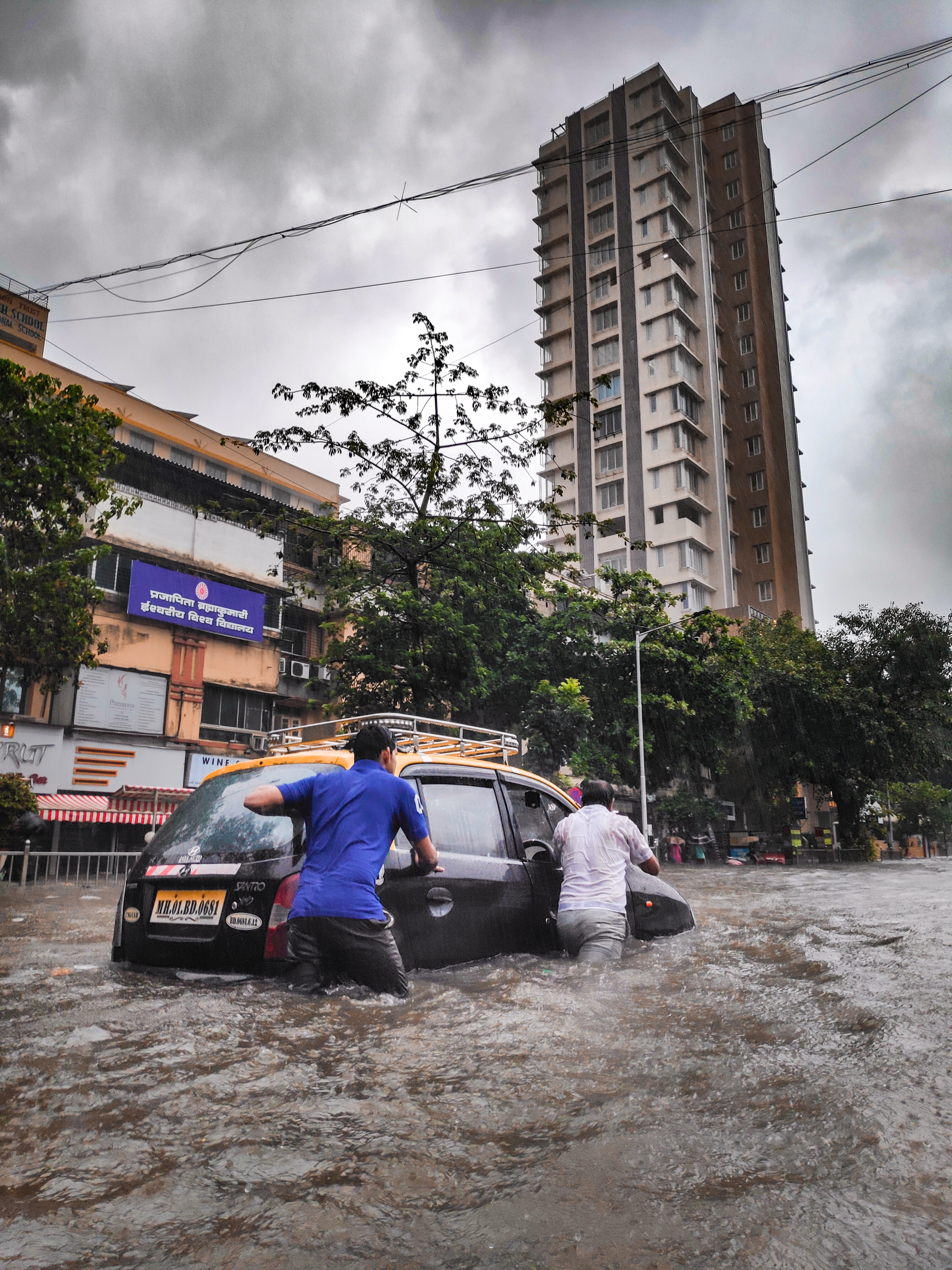
During the last few years the frequency of extreme rainfall events has been continuously increasing in India, the reason is not very clear, although many climate scientists have pointed towards global warming as the probable cause.

The scientists studying the temperature of Antarctica has revealed alarming news that a huge shelf of ice called the Conger Ice Shelf which is located in the coldest region of Antarctica has collapsed amidst the record heatwave in the region.

The ongoing tussle between Russia & Ukraine doesn't seem to be cooling down and the impacts of the same are being experienced globally. The increasing crude oil prices, environmental impacts such as air, ground and water pollution are the talking points currently. The food supply is also disrupted globally as both Russia and Ukraine are the world’s top wheat exporters.

The Russia–Ukraine conflict, apart from being a failure of diplomacy and a humanitarian crisis is also turning out to be an environmental disaster. It’ll pollute the air, water and soil of the cities that are affected and surrounding areas.

A study conducted by Dutch researchers from Vrije Universiteit Amsterdam and the Amsterdam University Medical Center has made an alarming revelation that 17 out of 22 random blood samples collected contained particles of microplastics.

Apple has announced the development of carbon-free aluminium used in manufacturing its latest iPhone SE 2022. The brand said the carbon-free aluminium used to develop the new smartphone series was produced using hydropower by Elysis– a Canada based smelting company.

Egypt is set to host this year’s UN climate conference COP27, in November. Cairo– the capital of Egypt has constantly ranked low in air quality rankings. The PM 2.5 concentration in the air according to the WHO should not be more than 5 mg per meter cube, in Cairo it’s 72mg per meter cube according to Global Ambient Air Database.
A CSR Initiative of

Designed and Executed by

Implemented by


 Technology is a useful servant, but a dangerous master, it was rightly said. Electronic devices have grown into an inevitable part of our daily lives.