

A new study conducted by scientists at Reading University in the UK highlights that flight turbulence has intensified due to climate change-induced warming. The research focused on clear-air turbulence, finding that the warming air caused by carbon emissions has resulted in bumpier flights worldwide, with severe turbulence in the North Atlantic region witnessing a staggering 55% increase since 1979.

The modern lifestyle has a substantial impact on the environment. The rise in consumerism, the use of fossil fuels, and the increase in population have all contributed to the rise in pollution and carbon emissions.

The World Economic Forum's (WEF) trillion trees movement, which aims to combat climate change and preserve biodiversity by growing, restoring, and conserving one trillion trees worldwide, is gaining momentum. India is playing a leading role in this initiative. Nicole Schwab, Co-Head of Nature-Based Solutions and Member of the Executive Committee of the WEF, spoke exclusively to NDTV about the trillion trees movement and India's involvement.

Prime Minister Narendra Modi has emphasized that developing countries like India are bearing the consequences of the "wrong policies" pursued by certain developed nations. Speaking at a World Environment Day event in New Delhi, PM Modi stated that India has been actively advocating for climate justice and raising the issue with advanced and major countries. He called for collective action and urged all nations to transcend their selfish interests in order to protect the world's climate.

India is one of the most vulnerable countries to climate change. The country is already experiencing the effects of climate change, such as more frequent and severe heat waves, floods, and droughts. These events can lead to a number of health problems, including heatstroke, waterborne diseases, and respiratory illnesses.
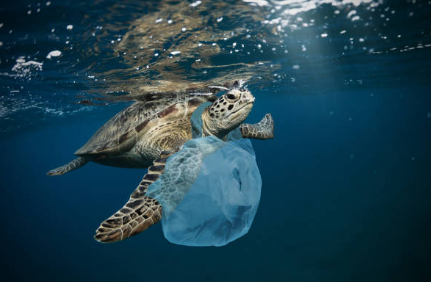
Climate change and plastics are two of the biggest threats to the world's oceans. Climate change is causing the oceans to warm, which is leading to coral bleaching, ocean acidification, and sea level rise. Plastic pollution is also a major problem, as it can entangle and kill marine life, and it can also break down into smaller pieces that can be ingested by fish and other animals.
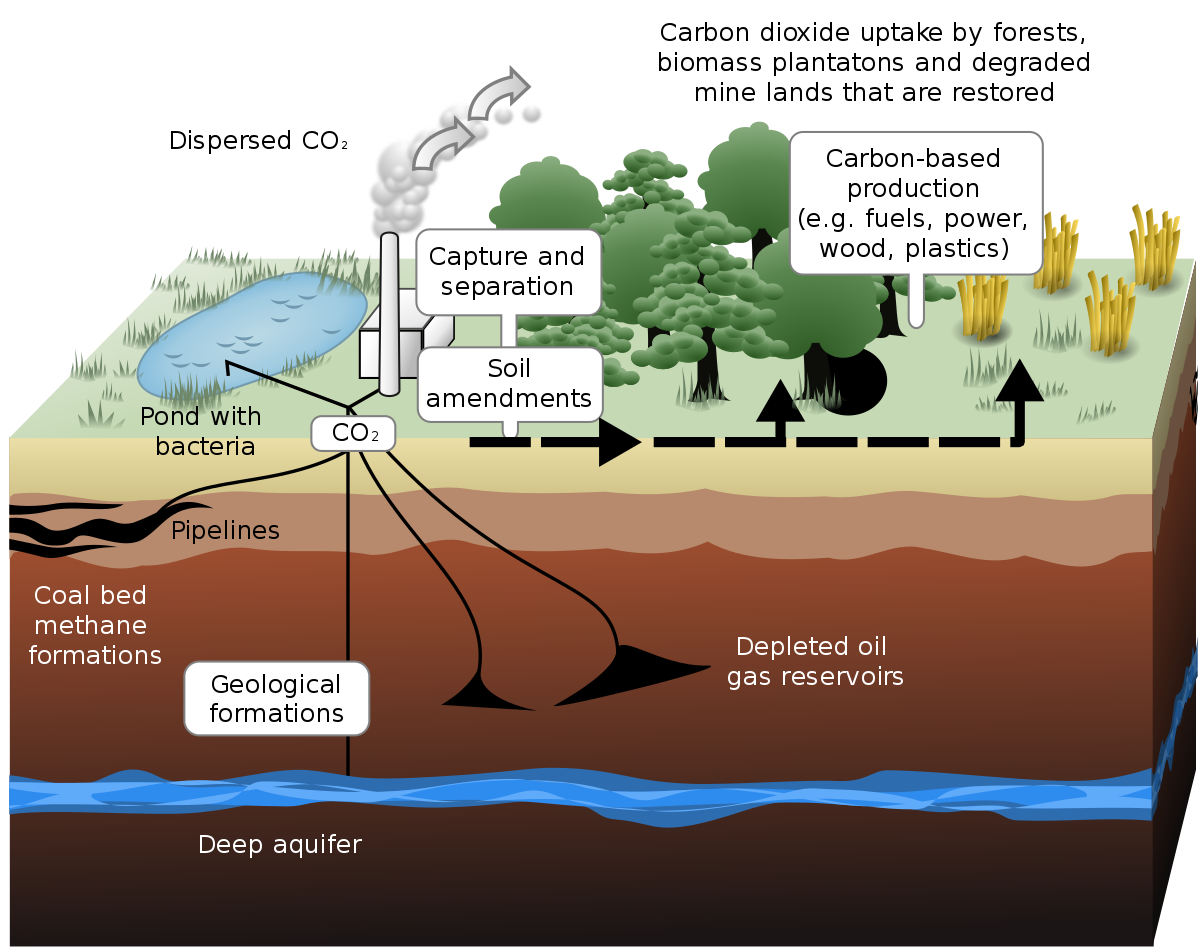
Hoesung Lee, the chair of the Intergovernmental Panel on Climate Change (IPCC), has cautioned against over-reliance on carbon capture and storage (CCS) technology, stating that it could lead the world to surpass critical climate tipping points. Lee emphasized that while technologies that capture or remove carbon dioxide from the atmosphere may play a role in addressing climate change, countries must exercise caution and be aware of the potential costs and consequences associated with their use.
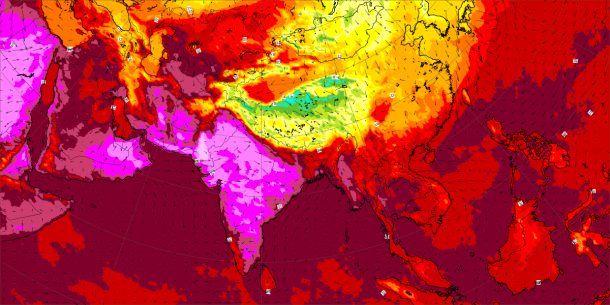
A heat wave of unprecedented magnitude has struck Southeast Asia, catching the region off guard. The scorching temperatures have taken a toll on outdoor workers who form the backbone of many societies in countries like Vietnam and Thailand. Phong, a motorbike taxi driver in Hanoi, has had to endure grueling conditions, working over 12 hours a day in temperatures exceeding 40 degrees Celsius (104 degrees Fahrenheit). Despite taking precautions like wearing a hat and carrying water, the heat has made his job even more challenging.

The Bonn Climate Change Conference, which began on June 6, 2023, is the first major climate change meeting since the COP26 summit in Glasgow last year. The conference is expected to focus on taking stock of the progress that has been made in reducing greenhouse gas emissions and on making plans for further action.

Climate change is one of the most pressing issues facing our planet today. The effects of climate change are already being felt around the world, in the form of more extreme weather events, rising sea levels, and changes in plant and animal life.
A CSR Initiative of

Designed and Executed by

Implemented by


 Technology is a useful servant, but a dangerous master, it was rightly said. Electronic devices have grown into an inevitable part of our daily lives.