

A groundbreaking analysis conducted by the Earth Commission group of scientists reveals that human activity has pushed the planet into a dangerous state in seven out of eight indicators of planetary safety and justice. The study goes beyond the well-known issue of climate disruption and presents alarming evidence of growing crises in water availability, nutrient loading, ecosystem maintenance, and aerosol pollution. These threats not only destabilize life-support systems but also exacerbate social inequality.

In the quest to combat climate change and reduce greenhouse gas emissions, scientists and environmentalists are exploring innovative approaches beyond traditional methods. One such method gaining attention is

Climate change is threatening global wheat production, according to a new study published in the journal Nature Climate Change. The study, which was conducted by researchers at the University of Chicago, found that climate change is expected to reduce wheat yields by an average of 4% per degree Celsius of warming.

The pollution is making India's monsoons more unpredictable. This is a major alert for Indians, as the monsoons are "the lifeblood of the nation's agrarian economy." The monsoons provide about 70% of the required rainfall, which is essential for irrigating farms and replenishing reservoirs and aquifers. However, the new study says that "increased emissions from the burning of fossil fuels and rising pollution levels are altering monsoon patterns, resulting in adverse impacts on agriculture and posing challenges for accurate forecasting."

A new study has found that climate change could trigger gigantic tsunamis from Antarctica. The study, published in the journal Nature Communications, found that during previous periods of global warming, massive tsunamis hit South America, New Zealand, and Southeast Asia. The study's authors say that as climate change continues to heat the oceans, there is a growing risk of these tsunamis being unleashed once more.

A new report has warned that climate change is threatening water supplies in 16 Asian countries, putting 1.9 trillion people at risk. The report, published by the World Economic Forum, found that the region is already experiencing the effects of climate change, with more frequent droughts and floods. These changes are disrupting water supplies and making it more difficult for people to access clean water.
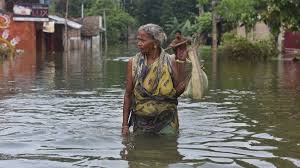
Climate change will put billions of people outside the 'human climate niche' where humans have thrived for ages, a new study has revealed. Extreme heat will force 600 million Indians out of their climate niche, exposing them to unbearable temperatures by 2030, it added.

A recent study highlights the alarming vulnerability of the Nilgiri marten (Martes gwatkinsii), a rare species of marten endemic to the Western Ghats, due to the significant encroachment of its habitat by development and agriculture. The study, titled
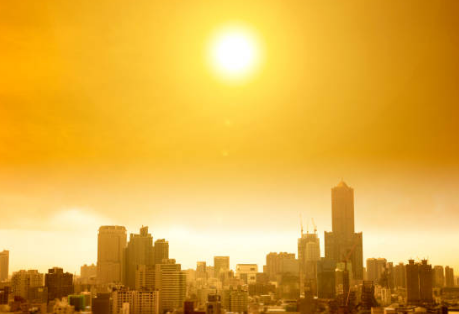
A new study published in the journal Nature Climate Change has found that climate change made the deadly heat wave that hit India, Bangladesh, Laos, and Thailand in April at least 30 times more likely. The study, which was conducted by an international team of scientists, used computer models to simulate the weather conditions that led to the heat wave. The models showed that the heat wave would have been much less likely to occur without climate change.

The G7 countries have set a 2070 net zero target for "major economies" and urged countries such as India and China to achieve the same by 2050. This is a significant step, but it is important to note that it is not new for rich nations. The G7 countries are already some of the world's largest emitters of greenhouse gases, and they have a responsibility to lead the way in the fight against climate change. However, it is also important to remember that India and China are still developing countries, and they need time to transition to a clean energy economy. The G7 countries should work with India and China to ensure that they have the resources they need to meet their climate goals.
A CSR Initiative of

Designed and Executed by

Implemented by


 Technology is a useful servant, but a dangerous master, it was rightly said. Electronic devices have grown into an inevitable part of our daily lives.