
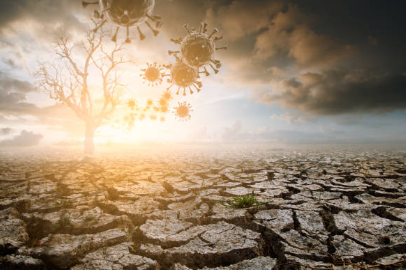
According to experts, changing climatic circumstances, notably temperature and moisture changes as a result of occurrences such as excessive rainfall in some areas and drought in others, may lead to an increase in the spread of vector-borne and infectious illnesses across India.

According to authorities from the chief minister's office (CMO), the Odisha government plans to create India's first resettlement colony for people displaced by climate change.
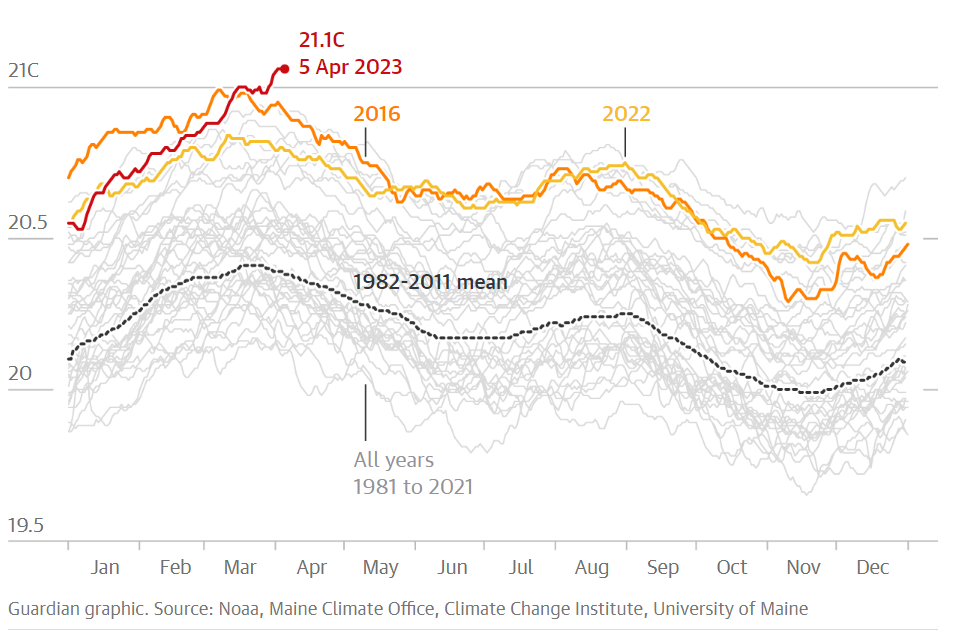
According to US government data, the temperature of the world's ocean surface has reached an all-time high since satellite records began, causing marine heat waves around the planet.

The Government of India, as well as several state governments, has taken a number of efforts to promote the country's EV ecosystem, including the implementation of financial incentives, schemes, subsidies, infrastructure development, and regulatory measures. It is very astounding to notice that the EV industry in India is expected to grow at a 90% CAGR until at least 2030.

The Delhi government plans to offer free forest and wildlife conservation training to the general population and establish a forest training institute in conjunction with the Mahatma Gandhi Institute for Combating Climate Change. The program aims to increase public awareness of conservation activities in the nation's capital.
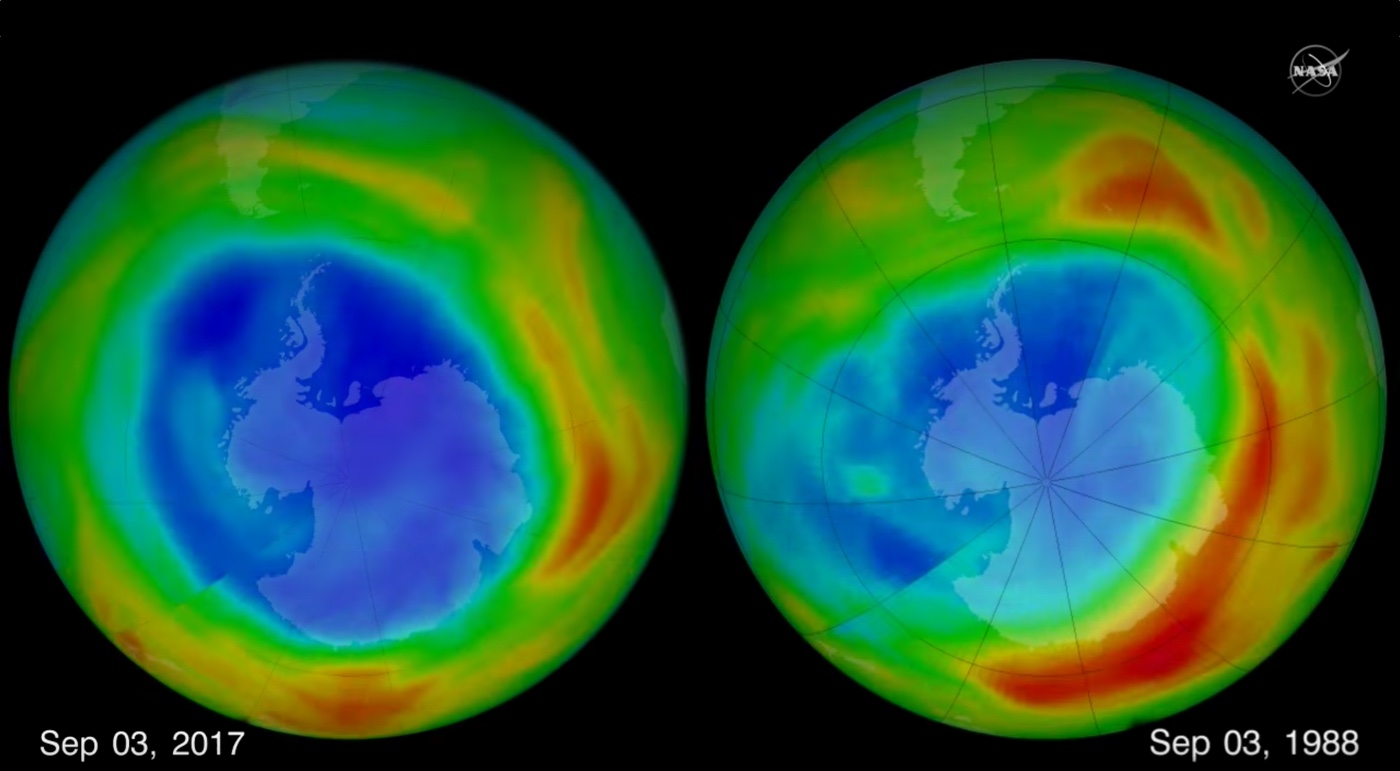
The ability to deplete the ozone layer, which protects the Earth from the Sun, caused a global ban, but scientists revealed on Monday that some man-made chlorofluorocarbons have hit record levels, increasing climate-changing emissions

According to the Ministry of Environment, Forests, and Climate Change data, India recycled just 32.9 percent of the e-waste created in 2021-2022. While the amount is higher than in past years, it still shows that an astounding 10,74,024 tonnes (67%) of e-waste went unprocessed.
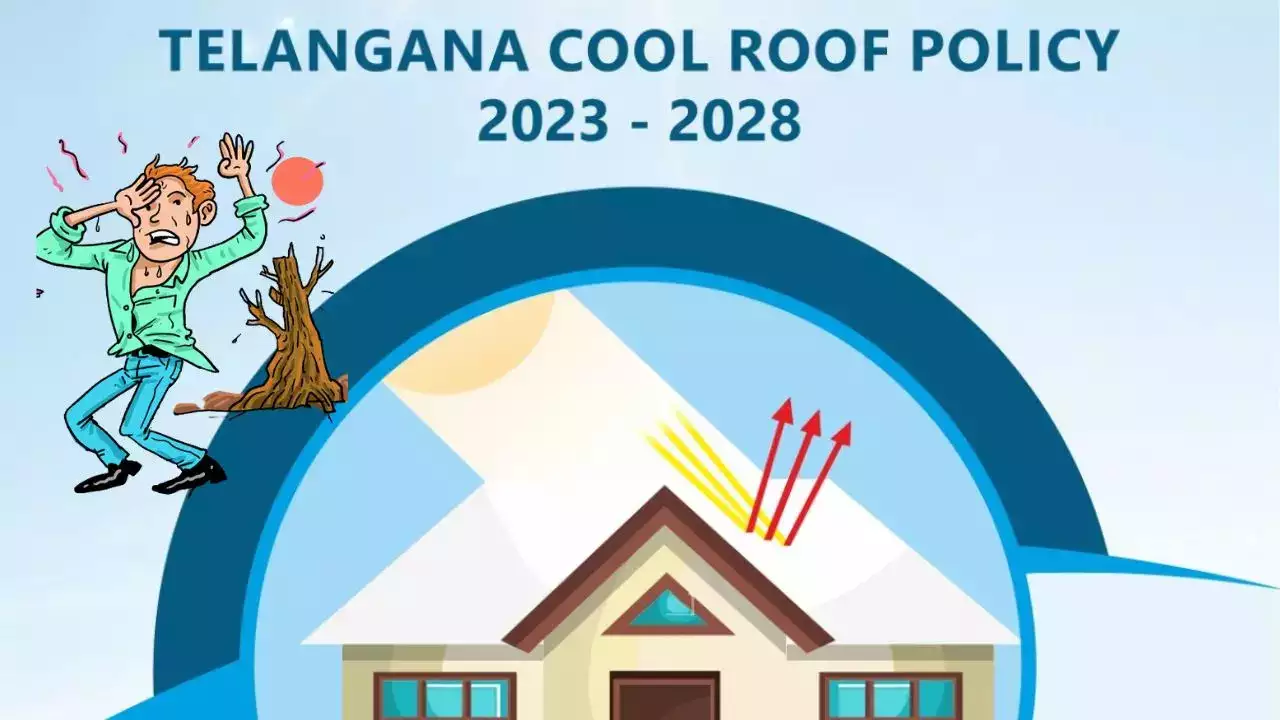
Telangana became the country's first state to implement the Cool Roof Policy on Monday. The 'Telangana Cool Roof Policy 2023-2028' aims to reduce the effect of heat islands and heat stress. By 2030, cool roofing will cover 200 square kilometers in Hyderabad and 100 square kilometers in the remainder of the state.

The first global water summit in nearly 50 years ended with the appointment of a new UN envoy for water and hundreds of non-binding pledges that, if fulfilled, would move the world closer to universal access to safe drinking water and sanitation.
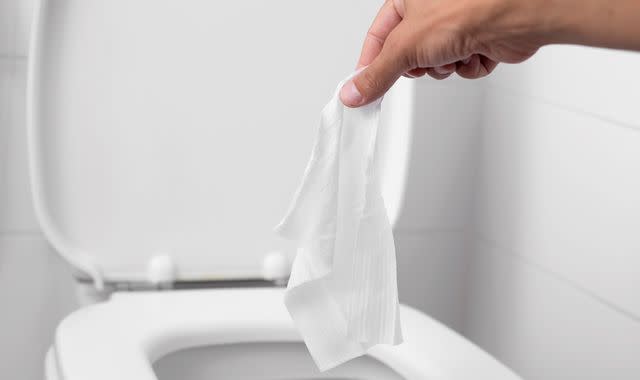
According to Environment Minister Therese Coffey, wet wipes containing plastic will be outlawed in England as part of plans to combat water pollution. According to Ms Coffey, the prohibition on plastic-based wipes will go into effect after a consultation next year. It is part of a larger strategy to improve water quality in England, where no river or waterway is clean.
A CSR Initiative of

Designed and Executed by

Implemented by


 Technology is a useful servant, but a dangerous master, it was rightly said. Electronic devices have grown into an inevitable part of our daily lives.