
A Kerala startup, GreenAmor Ventures, is transforming discarded coconut coir waste into biodegradable, compostable packaging, addressing both agricultural waste and plastic pollution through circular economy innovation.
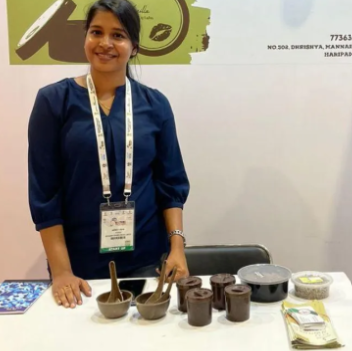
From Coconut Waste to Compostable Packaging: How a Kerala Startup is Reinventing Sustainable Packaging
Every year, millions of tonnes of agricultural waste are generated across India. While some of it finds a second life as compost or fuel, a significant portion ends up in landfills, contributing to pollution and greenhouse gas emissions. At the same time, plastic packaging continues to dominate industries such as cosmetics, food, and pharmaceuticals, creating another major environmental challenge.
A startup from Kerala is addressing both issues with a single innovative solution—transforming discarded coconut coir waste into biodegradable packaging that can replace conventional plastic containers.
Finding Opportunity in Agricultural Waste
Kerala is one of India's largest producers of coconuts, making coir production an important local industry. During the manufacturing of ropes, mats, and other coir-based products, large quantities of short coir fibres are discarded as waste. These leftover fibres often accumulate in landfills or are disposed of in ways that burden the environment.
Recognising this untapped resource, entrepreneur Ardra Nair founded GreenAmor Ventures in 2021 with the goal of converting coir waste into eco-friendly packaging materials. The idea emerged during her engineering studies, where projects focused on converting waste into valuable products inspired her to explore practical sustainability solutions.
Addressing Two Environmental Problems at Once
While studying waste generation, Ardra noticed another growing concern—plastic packaging. Cosmetic containers, food packaging, and pharmaceutical jars are often designed for single use, yet they remain in the environment for decades after disposal.
Instead of viewing agricultural waste and plastic pollution as separate problems, she combined them into one solution. The result was a packaging material that blends processed coir fibres with plant-based biopolymers, creating containers that resemble plastic in strength and appearance while being biodegradable and compostable.
This innovation demonstrates how circular economy principles can convert industrial by-products into high-value commercial products.
Engineering Sustainable Packaging
Developing the material required extensive research and experimentation. The size and composition of coir fibres had to be carefully controlled to ensure they could be processed efficiently without damaging manufacturing equipment.
The production process begins by collecting discarded coir fibres from industries in Kerala. These fibres are cleaned, ground into fine particles, and blended with plant-derived biopolymers to form composite granules. The granules are then moulded into containers using injection-moulding technology, producing packaging suitable for a variety of applications.
The resulting containers can be customised in different sizes, colours, and shapes depending on industry requirements.
Suitable for Multiple Industries
Unlike many eco-friendly alternatives that are limited to specific uses, coir-based packaging has the potential to serve multiple sectors.
For cosmetic products, the material undergoes testing to ensure compatibility with creams, oils, and other formulations. Food-grade and pharmaceutical packaging requires additional quality assessments to verify safety, temperature resistance, and compliance with industry standards.
This versatility makes the innovation attractive for businesses seeking sustainable packaging without compromising product quality or consumer experience.
Building a Circular Economy
One of the most significant aspects of this initiative is its contribution to a circular economy. Rather than extracting new raw materials, the startup relies on agricultural waste that would otherwise have little economic value.
By sourcing coir waste from local industries, the company not only reduces landfill waste but also creates additional value within Kerala's existing coconut ecosystem. This approach supports resource efficiency while encouraging industries to view waste as a valuable input rather than an unwanted by-product.
Such models demonstrate how sustainable manufacturing can simultaneously reduce environmental impacts and create economic opportunities.
Challenges Along the Way
Introducing innovative materials into established industries is rarely straightforward. Manufacturers accustomed to producing plastic packaging often hesitate to adopt new materials because of concerns about cost, production compatibility, and market acceptance.
Despite these challenges, GreenAmor Ventures has received support from several innovation and startup programmes, including grants that enabled research, product development, and commercial validation. These initiatives have helped transform a laboratory concept into a commercially viable packaging solution.
As awareness of sustainable packaging continues to grow, consumer demand and environmental regulations are expected to further encourage businesses to explore alternatives to conventional plastics.
A Small Innovation with Global Potential
Packaging is an essential part of modern life, but it also represents one of the largest sources of plastic waste worldwide. Replacing even a fraction of conventional plastic containers with compostable alternatives could significantly reduce landfill accumulation and lower carbon emissions.
The success of GreenAmor Ventures illustrates how innovation rooted in local resources can address global environmental challenges. By converting coconut coir waste into biodegradable packaging, the startup offers a practical example of how science, entrepreneurship, and sustainability can work together to build a cleaner future.
As industries increasingly embrace circular economy practices, solutions like these highlight an important lesson: the materials we often discard may hold the key to creating products that protect both businesses and the environment.
केरल का स्टार्टअप ग्रीनअमोर वेंचर्स, फेंके गए नारियल कॉयर वेस्ट को जैव-विघटनशील और कम्पोस्टेबल पैकेजिंग में बदल रहा है, जो कृषि अपशिष्ट और प्लास्टिक प्रदूषण दोनों समस्याओं का एकसाथ समाधान करता है।
भारत भर में हर साल लाखों टन कृषि अपशिष्ट उत्पन्न होता है। जबकि इसका कुछ हिस्सा खाद या ईंधन के रूप में दूसरा जीवन पाता है, एक महत्वपूर्ण हिस्सा लैंडफिल में पहुँच जाता है, जिससे प्रदूषण और ग्रीनहाउस गैस उत्सर्जन में योगदान होता है। साथ ही, प्लास्टिक पैकेजिंग कॉस्मेटिक्स, खाद्य और फार्मास्युटिकल जैसे उद्योगों में हावी बनी हुई है, जिससे एक और बड़ी पर्यावरणीय चुनौती पैदा हो रही है।
केरल का एक स्टार्टअप एक अभिनव समाधान से दोनों समस्याओं का एकसाथ समाधान कर रहा है—फेंके गए नारियल कॉयर वेस्ट को जैव-विघटनशील पैकेजिंग में बदलकर जो पारंपरिक प्लास्टिक कंटेनरों की जगह ले सकती है।
कृषि अपशिष्ट में अवसर खोजना
केरल नारियल के भारत के सबसे बड़े उत्पादकों में से एक है, जिससे कॉयर उत्पादन एक महत्वपूर्ण स्थानीय उद्योग है। रस्सियों, चटाइयों और अन्य कॉयर-आधारित उत्पादों के निर्माण के दौरान, बड़ी मात्रा में छोटे कॉयर फाइबर अपशिष्ट के रूप में फेंक दिए जाते हैं। ये बचे हुए फाइबर अक्सर लैंडफिल में जमा हो जाते हैं।
इस अनुपयोगी संसाधन को पहचानते हुए, उद्यमी अर्द्रा नायर ने 2021 में ग्रीनअमोर वेंचर्स की स्थापना की, जिसका लक्ष्य कॉयर वेस्ट को पर्यावरण के अनुकूल पैकेजिंग सामग्री में बदलना था।
दो पर्यावरणीय समस्याओं का एकसाथ समाधान
कॉयर फाइबर को पौधे-आधारित बायोपॉलिमर के साथ मिलाकर एक पैकेजिंग सामग्री तैयार की गई जो ताकत और उपस्थिति में प्लास्टिक जैसी दिखती है, लेकिन जैव-विघटनशील और कम्पोस्टेबल है।
टिकाऊ पैकेजिंग का इंजीनियरिंग
उत्पादन प्रक्रिया केरल के उद्योगों से फेंके गए कॉयर फाइबर को इकट्ठा करके शुरू होती है। इन फाइबर को साफ किया जाता है, महीन कणों में पीसा जाता है, और कम्पोजिट ग्रेन्यूल बनाने के लिए पौधे-आधारित बायोपॉलिमर के साथ मिलाया जाता है। फिर इन ग्रेन्यूल को इंजेक्शन-मोल्डिंग तकनीक का उपयोग करके कंटेनरों में ढाला जाता है।
सर्कुलर इकोनॉमी का निर्माण
यह पहल कच्चे माल के बजाय कृषि अपशिष्ट पर निर्भर करती है जिसका अन्यथा कोई आर्थिक मूल्य नहीं होता। स्थानीय उद्योगों से कॉयर वेस्ट प्राप्त करके, कंपनी न केवल लैंडफिल अपशिष्ट को कम करती है, बल्कि केरल के मौजूदा नारियल पारिस्थितिकी तंत्र में अतिरिक्त मूल्य भी बनाती है।
ग्रीनअमोर वेंचर्स की सफलता दर्शाती है कि स्थानीय संसाधनों में निहित नवाचार कैसे वैश्विक पर्यावरणीय चुनौतियों का समाधान कर सकता है।
केरळचे स्टार्टअप ग्रीनअमोर व्हेंचर्स टाकून दिलेल्या नारळ कॉयर कचऱ्याचे जैव-विघटनशील आणि कम्पोस्टेबल पॅकेजिंगमध्ये रूपांतर करत आहे, कृषी कचरा आणि प्लास्टिक प्रदूषण या दोन्ही समस्या एकाच वेळी सोडवत आहे.
दरवर्षी भारतभर लाखो टन कृषी कचरा निर्माण होतो. त्यातील काही भाग खत किंवा इंधन म्हणून वापरला जातो, पण बराचसा भाग लँडफिलमध्ये जातो, ज्यामुळे प्रदूषण आणि हरितगृह वायू उत्सर्जन वाढते. त्याच वेळी, प्लास्टिक पॅकेजिंग सौंदर्यप्रसाधने, अन्न आणि औषधी उद्योगांमध्ये प्रबळ आहे.
केरळचे एक स्टार्टअप या दोन्ही समस्यांवर एकाच अभिनव उपायाने मात करत आहे—टाकून दिलेल्या नारळ कॉयर कचऱ्याचे जैव-विघटनशील पॅकेजिंगमध्ये रूपांतर करत आहे.
कृषी कचऱ्यात संधी शोधणे
केरळ भारतातील नारळाच्या सर्वात मोठ्या उत्पादकांपैकी एक आहे. दोऱ्या, चटया आणि इतर कॉयर-आधारित उत्पादनांच्या निर्मितीदरम्यान मोठ्या प्रमाणात लहान कॉयर तंतू कचरा म्हणून टाकले जातात.
या अनुपयोगी संसाधनाला ओळखून, उद्योजक अर्द्रा नायर यांनी 2021 मध्ये ग्रीनअमोर व्हेंचर्सची स्थापना केली.
शाश्वत पॅकेजिंगचे अभियांत्रिकी
उत्पादन प्रक्रियेत केरळमधील उद्योगांकडून टाकून दिलेले कॉयर तंतू गोळा केले जातात. हे तंतू स्वच्छ केले जातात, बारीक कण केले जातात आणि वनस्पती-आधारित बायोपॉलिमरसह मिसळून मिश्रित ग्रॅन्युल तयार केले जातात. त्यानंतर इंजेक्शन-मोल्डिंग तंत्रज्ञान वापरून कंटेनर तयार केले जातात.
सर्कुलर इकॉनॉमी निर्माण करणे
हा उपक्रम नवीन कच्च्या मालाऐवजी कृषी कचऱ्यावर अवलंबून आहे. ग्रीनअमोर व्हेंचर्सचे यश दर्शवते की स्थानिक संसाधनांमध्ये रुजलेले नवोपक्रम जागतिक पर्यावरणीय आव्हानांना कसे तोंड देऊ शकतात.
કેરળનું સ્ટાર્ટઅપ ગ્રીનઅમોર વેન્ચર્સ ફેંકી દેવાયેલા નારિયેળ કોઈર કચરાને જૈવ-વિઘટનશીલ અને કમ્પોસ્ટેબલ પેકેજિંગમાં રૂપાંતરિત કરી રહ્યું છે, જે કૃષિ કચરા અને પ્લાસ્ટિક પ્રદૂષણ બંને સમસ્યાઓનો એકસાથે ઉકેલ આપે છે.
દર વર્ષે ભારતભરમાં લાખો ટન કૃષિ કચરો ઉત્પન્ન થાય છે. જ્યારે તેનો કેટલોક ભાગ ખાતર અથવા ઇંધણ તરીકે બીજો જીવન પ્રાપ્ત કરે છે, ત્યારે નોંધપાત્ર ભાગ લેન્ડફિલ્સમાં જાય છે. એ જ સમયે, પ્લાસ્ટિક પેકેજિંગ સૌંદર્ય પ્રસાધનો, ખોરાક અને ફાર્માસ્યુટિકલ ઉદ્યોગોમાં પ્રભુત્વ ધરાવે છે.
કેરળનું એક સ્ટાર્ટઅપ એક જ નવીન ઉકેલ સાથે બંને સમસ્યાઓ ઉકેલી રહ્યું છે—ફેંકી દેવાયેલા નારિયેળ કોઈર કચરાને જૈવ-વિઘટનશીલ પેકેજિંગમાં રૂપાંતરિત કરી.
કૃષિ કચરામાં તક શોધવી
કેરળ ભારતના સૌથી મોટા નારિયેળ ઉત્પાદકોમાંનું એક છે. દોરડાઓ, સાદડીઓ અને અન્ય કોઈર-આધારિત ઉત્પાદનોના ઉત્પાદન દરમિયાન, મોટી માત્રામાં ટૂંકા કોઈર ફાઈબર કચરા તરીકે ફેંકી દેવામાં આવે છે.
ઉદ્યોગ સાહસિક અર્દ્રા નાયર 2021 માં ગ્રીનઅમોર વેન્ચર્સ સ્થાપ્યું, જેનો ઉદ્દેશ કોઈર કચરાને પર્યાવરણ-અનુકૂળ પેકેજિંગ સામગ્રીમાં રૂપાંતરિત કરવાનો છે.
ટકાઉ પેકેજિંગનું ઇજનેરી
ઉત્પાદન પ્રક્રિયા કેરળ ઉદ્યોગોમાંથી ફેંકી દેવાયેલા કોઈર ફાઈબર એકત્ર કરીને શરૂ થાય છે. આ ફાઈબર સ્વચ્છ કરવામાં આવે છે, ઝીણા કણોમાં ગ્રાઉન્ડ કરવામાં આવે છે, અને કમ્પોઝિટ ગ્રેન્યૂલ બનાવવા માટે છોડ-ઉત્પન્ન બાયોપૉલિમર સાથે ભેળવવામાં આવે છે.
સર્ક્યુલર ઇકોનોમી બનાવવી
ગ્રીનઅમોર વેન્ચર્સ બતાવે છે કે સ્થાનિક સંસાધનોમાં મૂળ ધરાવતી નવીનતા વૈશ્વિક પર્યાવરણીય પડકારોનો સામનો કેવી રીતે કરી શકે છે.
కేరళ స్టార్టప్ గ్రీన్అమోర్ వెంచర్స్, విసిరివేయబడిన కొబ్బరి కయిర్ వ్యర్థాలను జీవ-విఘటన మరియు కంపోస్టబుల్ ప్యాకేజింగ్గా మారుస్తోంది, వ్యవసాయ వ్యర్థాలు మరియు ప్లాస్టిక్ కాలుష్యం రెండింటినీ పరిష్కరిస్తోంది.
ప్రతి సంవత్సరం భారతదేశం అంతటా లక్షలాది టన్నుల వ్యవసాయ వ్యర్థాలు ఉత్పత్తి అవుతున్నాయి. ఇవి పర్యావరణాన్ని ప్రభావితం చేస్తున్నాయి. అదే సమయంలో, ప్లాస్టిక్ ప్యాకేజింగ్ కాస్మెటిక్స్, ఆహారం మరియు ఫార్మాస్యూటికల్ పరిశ్రమలలో ఆధిపత్యం వహిస్తోంది.
కేరళకు చెందిన ఒక స్టార్టప్ ఒకే అభినవ పరిష్కారంతో రెండు సమస్యలను పరిష్కరిస్తోంది—విసిరివేయబడిన కొబ్బరి కయిర్ వ్యర్థాలను జీవ-విఘటన ప్యాకేజింగ్గా మారుస్తోంది.
వ్యవసాయ వ్యర్థాలలో అవకాశం కనుగొనడం
కేరళ భారతదేశంలో అతిపెద్ద కొబ్బరి ఉత్పత్తిదారులలో ఒకటి. తాళ్ళు, చాపలు మరియు ఇతర కయిర్-ఆధారిత ఉత్పత్తుల తయారీ సమయంలో, పెద్ద మొత్తంలో చిన్న కయిర్ ఫైబర్లు వ్యర్థంగా విసిరివేయబడతాయి.
పారిశ్రామికవేత్త అర్ద్రా నాయర్ 2021లో గ్రీన్అమోర్ వెంచర్స్ను స్థాపించారు, కయిర్ వ్యర్థాలను పర్యావరణ అనుకూల ప్యాకేజింగ్ పదార్థాలుగా మార్చాలనే లక్ష్యంతో.
సుస్థిర ప్యాకేజింగ్ ఇంజినీరింగ్
ఉత్పత్తి ప్రక్రియ కేరళ పరిశ్రమల నుండి విసిరివేయబడిన కయిర్ ఫైబర్లను సేకరించడంతో మొదలవుతుంది. ఈ ఫైబర్లు శుభ్రపరచబడతాయి, మెత్తని కణాలుగా పొడిచేయబడతాయి, మరియు కాంపోజిట్ గ్రాన్యూల్స్ తయారు చేయడానికి మొక్కల నుండి తీసిన బయోపాలిమర్లతో కలుపుతారు.
సర్కులర్ ఎకానమీ నిర్మించడం
గ్రీన్అమోర్ వెంచర్స్ విజయం చూపిస్తుంది, స్థానిక వనరులలో నిహితమైన ఆవిష్కరణ జాగతిక పర్యావరణ సవాళ్లను ఎలా పరిష్కరించగలదో.
ಕೇರಳದ ಸ್ಟಾರ್ಟಪ್ ಗ್ರೀನ್ಅಮೋರ್ ವೆಂಚರ್ಸ್, ತ್ಯಜಿಸಲಾದ ತೆಂಗಿನ ಕೋಯಿರ್ ತ್ಯಾಜ್ಯವನ್ನು ಜೈವ-ವಿಘಟನೀಯ ಮತ್ತು ಕಾಂಪೋಸ್ಟಬಲ್ ಪ್ಯಾಕೇಜಿಂಗ್ ಆಗಿ ಪರಿವರ್ತಿಸುತ್ತಿದೆ, ಕೃಷಿ ತ್ಯಾಜ್ಯ ಮತ್ತು ಪ್ಲಾಸ್ಟಿಕ್ ಮಾಲಿನ್ಯ ಎರಡನ್ನೂ ಒಟ್ಟಿಗೆ ಪರಿಹರಿಸುತ್ತಿದೆ.
ಪ್ರತಿ ವರ್ಷ ಭಾರತದಾದ್ಯಂತ ಲಕ್ಷಾಂತರ ಟನ್ ಕೃಷಿ ತ್ಯಾಜ್ಯ ಉತ್ಪತ್ತಿಯಾಗುತ್ತದೆ. ಅದರ ಕೆಲವು ಭಾಗ ಗೊಬ್ಬರ ಅಥವಾ ಇಂಧನವಾಗಿ ಎರಡನೇ ಜೀವನ ಪಡೆಯುತ್ತದೆ, ಆದರೆ ಗಣನೀಯ ಭಾಗ ಭೂಭರ್ತಿಗಳಲ್ಲಿ ಕೊನೆಗೊಳ್ಳುತ್ತದೆ. ಅದೇ ಸಮಯದಲ್ಲಿ, ಪ್ಲಾಸ್ಟಿಕ್ ಪ್ಯಾಕೇಜಿಂಗ್ ಸೌಂದರ್ಯ ವರ್ಧಕ, ಆಹಾರ ಮತ್ತು ಔಷಧ ಉದ್ಯಮಗಳಲ್ಲಿ ಪ್ರಾಬಲ್ಯ ಸಾಧಿಸಿದೆ.
ಕೇರಳದ ಒಂದು ಸ್ಟಾರ್ಟಪ್ ಒಂದೇ ಆವಿಷ್ಕಾರದ ಮೂಲಕ ಎರಡೂ ಸಮಸ್ಯೆಗಳನ್ನು ಪರಿಹರಿಸುತ್ತಿದೆ—ತ್ಯಜಿಸಲಾದ ತೆಂಗಿನ ಕೋಯಿರ್ ತ್ಯಾಜ್ಯವನ್ನು ಜೈವ-ವಿಘಟನೀಯ ಪ್ಯಾಕೇಜಿಂಗ್ ಆಗಿ ಪರಿವರ್ತಿಸುತ್ತಿದೆ.
ಕೃಷಿ ತ್ಯಾಜ್ಯದಲ್ಲಿ ಅವಕಾಶ ಕಂಡುಕೊಳ್ಳುವುದು
ಕೇರಳ ಭಾರತದ ಅತಿದೊಡ್ಡ ತೆಂಗಿನ ಉತ್ಪಾದಕರಲ್ಲಿ ಒಂದಾಗಿದೆ. ಹಗ್ಗಗಳು, ಚಾಪೆಗಳು ಮತ್ತು ಇತರ ಕೋಯಿರ್-ಆಧಾರಿತ ಉತ್ಪನ್ನಗಳ ತಯಾರಿಕೆ ಸಮಯದಲ್ಲಿ, ಹೆಚ್ಚಿನ ಪ್ರಮಾಣದ ಸಣ್ಣ ಕೋಯಿರ್ ನಾರುಗಳು ತ್ಯಾಜ್ಯವಾಗಿ ಎಸೆಯಲ್ಪಡುತ್ತವೆ.
ಉದ್ಯಮಿ ಅರ್ದ್ರಾ ನಾಯರ್ 2021 ರಲ್ಲಿ ಗ್ರೀನ್ಅಮೋರ್ ವೆಂಚರ್ಸ್ ಸ್ಥಾಪಿಸಿದರು, ಕೋಯಿರ್ ತ್ಯಾಜ್ಯವನ್ನು ಪರಿಸರ ಸ್ನೇಹಿ ಪ್ಯಾಕೇಜಿಂಗ್ ವಸ್ತುಗಳಾಗಿ ಪರಿವರ್ತಿಸುವ ಗುರಿಯೊಂದಿಗೆ.
ಸುಸ್ಥಿರ ಪ್ಯಾಕೇಜಿಂಗ್ ಎಂಜಿನಿಯರಿಂಗ್
ಉತ್ಪಾದನಾ ಪ್ರಕ್ರಿಯೆ ಕೇರಳ ಉದ್ಯಮಗಳಿಂದ ತ್ಯಜಿಸಲಾದ ಕೋಯಿರ್ ನಾರುಗಳನ್ನು ಸಂಗ್ರಹಿಸುವ ಮೂಲಕ ಪ್ರಾರಂಭವಾಗುತ್ತದೆ. ಈ ನಾರುಗಳನ್ನು ಶುಚಿಗೊಳಿಸಲಾಗುತ್ತದೆ, ಸೂಕ್ಷ್ಮ ಕಣಗಳಾಗಿ ಅರೆಯಲಾಗುತ್ತದೆ ಮತ್ತು ಸಂಯೋಜಿತ ಗ್ರ್ಯಾನ್ಯೂಲ್ಗಳನ್ನು ರಚಿಸಲು ಸಸ್ಯ-ಪಡೆದ ಬಯೋಪಾಲಿಮರ್ಗಳೊಂದಿಗೆ ಬೆರೆಸಲಾಗುತ್ತದೆ.
ಸರ್ಕ್ಯುಲರ್ ಎಕಾನಮಿ ನಿರ್ಮಿಸುವುದು
ಗ್ರೀನ್ಅಮೋರ್ ವೆಂಚರ್ಸ್ನ ಯಶಸ್ಸು ಸ್ಥಳೀಯ ಸಂಪನ್ಮೂಲಗಳಲ್ಲಿ ಬೇರೂರಿದ ಆವಿಷ್ಕಾರ ಜಾಗತಿಕ ಪರಿಸರ ಸವಾಲುಗಳನ್ನು ಹೇಗೆ ನಿಭಾಯಿಸಬಹುದೆಂಬುದನ್ನು ಎತ್ತಿ ತೋರಿಸುತ್ತದೆ.

A CSR Initiative of

Designed and Executed by

Implemented by


 Technology is a useful servant, but a dangerous master, it was rightly said. Electronic devices have grown into an inevitable part of our daily lives.






Leave A Comment