

This article is an interactive discussion with Prof. Arul Aram, head of the department of media studies in Anna University TamilNadu.

World’s leading fossil fuel firms are secretly planning around 195 to 200 projects across nations like the US, Russia, Australia and India which could trigger “catastrophic climate breakdown”. The environmentalists are referring these projects as ‘carbon bombs’. It’s stated that, the emissions released from these projects collectively will overshoot the emissions that had been agreed in the Paris Agreement 2015, which was to contain the global rise in temperature to 2°C.

The fears being raised about climate change are beginning to come true. In the last six months only, the mood of the weather witnessed in the world has turned the minds of environmental scientists. Extreme weather events have started showing their harsh nature. Be it summer or rain or floods. Much more than usual has started happening in many places. Environmental scientists, based on the analysis of data of the last 20 years, have tried to tell how this crisis has started creating upheaval in our lives.

Climate change is influencing every facet of life- right from our diets to our ability to survive natural disasters. Until now, the real estate sector was lacking the pace to address the gravity of climate change consequences on properties and markets. However, over the past two decades higher global temperatures and more frequently occurring natural disasters have led monstrous effects on residential as well as commercial properties.

As monsoons arrive in India, the majority of the population finally rejoices as the rain brings some respite from the extreme heatwaves. But we must not forget that this relief is temporary, next year the situation will repeat itself and the temperatures might even soar higher than this year’s highs. According to the reports of UK’s Metrological office extreme heatwaves in India will occur at a frequency of 3 years, compared to the previous time frame of 312 years. The study concluded that the risk of heatwaves in April-May has increased by 100, and this number is expected to increase by 275.

Melting of glaciers, rising sea levels, and declining forests cover are some of the consequences resulting from the ongoing human-induced activities that are meddling with the balance of the ecosystem. These development projects have led to a major biodiversity loss and disrupted the wildlife habitat and posed a serious risk to many wildlife species across the planet. The topic of extinction has been a major discussion point in the climate action agendas for the past decade and there has been an unfortunate loss of several species over the past decade or so. In the present scenario, as reported by the WWF many wildlife species such as tigers, Arctic polar bears, and marine turtles population are on the endangered list.

Rising heat and its impacts on climate, ecosystems and urban livelihood have gathered enough attention during the last few decades, so much that institutions started long term planning, analysis and policy making. But, this phenomenon of extreme heat situations and their consequences are new and poorly understood, and worse, they have been growing in intensity and frequency for over the last few decades.
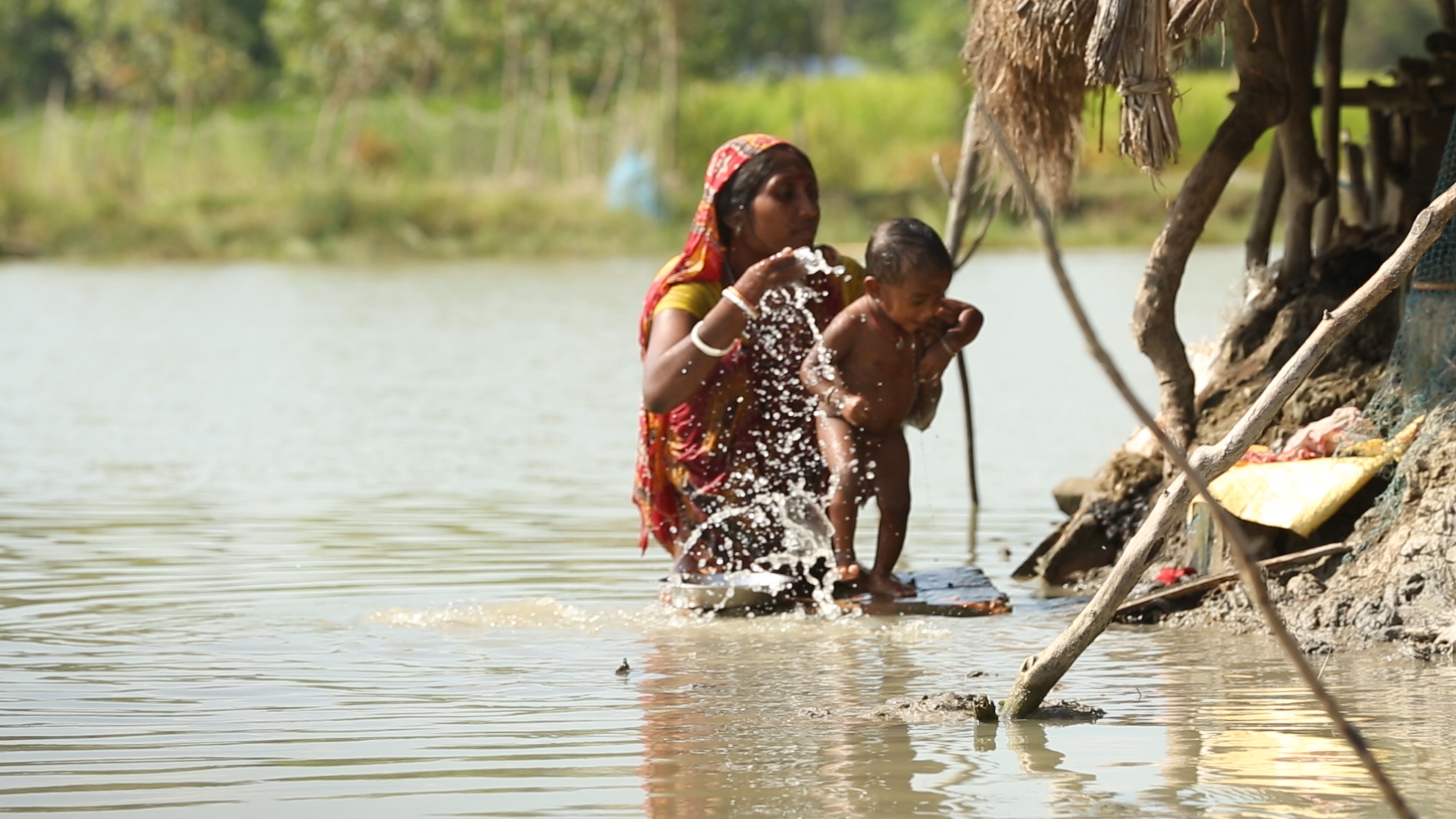
According to UNESCO (United Nations Educational, Scientific and Cultural Organization), the Sunderbans are a world heritage site. It is celebrated for having the largest mangrove forest in the world, but the locals who have lived there for generations have a different story to tell.

The risk of heatwaves is likely to increase ten times during the twenty-first century with over approximately 70% of India’s land to be influenced by these heat waves covering magnitudes greater than 9.

Human-induced activities in every sector are currently affecting the environment in one way or the other. Developmental projects and rapid urbanization are resulting in rising emissions around the world and have worsened the Air Quality Index (AQI) across the world.
A CSR Initiative of

Designed and Executed by

Implemented by


 Technology is a useful servant, but a dangerous master, it was rightly said. Electronic devices have grown into an inevitable part of our daily lives.